
There are times when I feel a stronger need to slow down and pay attention to the life I already have. It is surprisingly easy to move through an ordinary week on automatic pilot, checking our phones over coffee, rushing through meals, saving the clothes we love for a better occasion and telling ourselves that we will enjoy life properly when the weekend arrives.
At 60, I am more conscious than ever that most of life happens between the big events. I still love traveling, discovering new places, fashion, beautiful hotels and having plans to look forward to. But I no longer want the ordinary days to feel like the waiting room for something more exciting.
That is what romanticizing your life means to me: adding a little more beauty, attention and intention to everyday life, while still making room for the dreams you want to turn into reality.
It is not about creating a perfect life or reproducing an aesthetic seen on Instagram. It is about noticing what genuinely makes your own days feel richer and choosing to make more room for it.
So, how to romanticize your life without turning it into another set of rules? It starts with small choices, but also with deciding that the life you are living now deserves your attention.
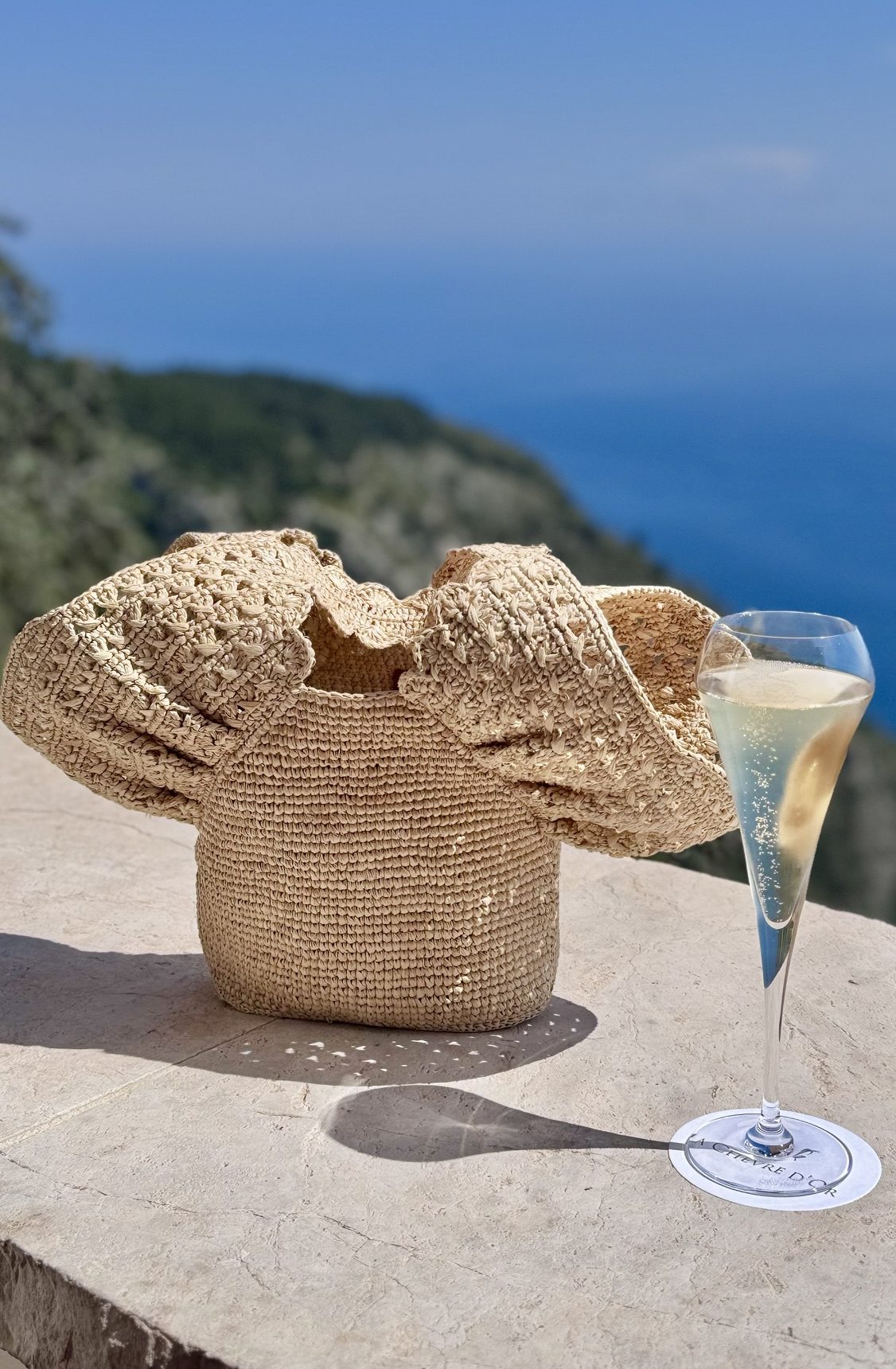
How to romanticize your life
How to Romanticize Your Life Without Escaping Reality
Romanticizing your life does not mean pretending that everything is beautiful or trying to live inside an idealized version of reality. For me, it is about making everyday life a little better through small, intentional choices, almost as though you were turning your own life into a novel, while keeping both feet firmly in the real world.
Every novel is made up of ordinary moments as well as important ones, and real life is no different. Most days are not filled with extraordinary events. They are made up of mornings, meals, work, conversations, errands, evenings at home and all the little moments in between. Romanticizing life means giving some of those moments more attention instead of rushing through them while waiting for something more exciting to happen.
It can mean choosing beauty when beauty is available, creating atmosphere where you can, taking pleasure in details and being more conscious of what makes you feel good. Not because every moment needs to become special, but because the accumulation of these small choices can change the way an ordinary day feels.
There is also something very personal about it. Your version of a romantic life does not need to resemble mine, and neither should it reproduce an aesthetic seen on social media. What matters is identifying the details, places, rituals and experiences that make your own life feel richer.
Perhaps that is the balance I find most appealing: keeping the reality, but adding a little poetry to it.
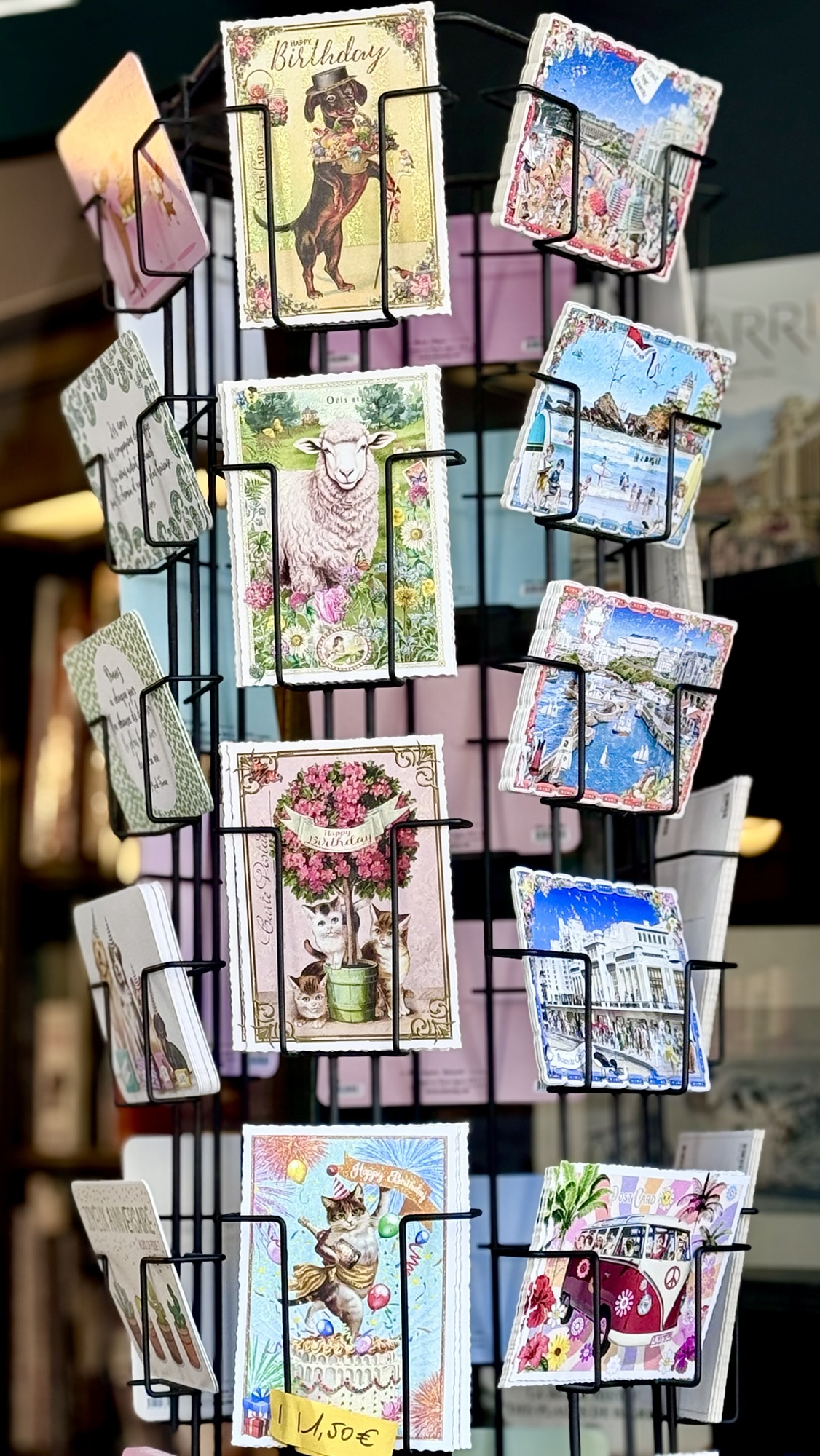
How to romanticize your life
Why Are We So Drawn to a Slower Way of Living?
Perhaps we are drawn to slower living because so much of modern life encourages us to move quickly from one thing to the next. Our phones have made everyday life extraordinarily convenient, but they have also filled many of the pauses that once existed naturally in the day.
We rarely have to wait without being entertained anymore. A few minutes before an appointment, a train journey or even a quiet moment at home can immediately be filled with messages, news, emails or social media. Without really noticing it, we can spend an entire day consuming information while giving very little attention to what is actually happening around us.
For me, slowing down does not mean doing everything slowly. It means deciding which moments do not need to be rushed. Drinking a cup of tea while doing nothing else, reading without checking notifications every few minutes, cooking without a phone beside the chopping board or taking a walk simply to enjoy where you are can completely change the quality of an ordinary moment.
One of the easiest ways to begin is to stop automatically filling every empty minute. Leave your phone in another room occasionally. Sit in the garden without taking it with you. Wait for your coffee without scrolling. Look out of the window on a train. Give yourself permission to be unavailable for half an hour while you read, garden, cook or work on something with your hands.
I also like the idea of bringing back activities that require our full attention. Reading a physical book, restoring an old piece of furniture, arranging flowers, writing by hand or looking through photographs has a beginning, a process and an end. There is satisfaction in completing something without simultaneously consuming something else.
This is not about rejecting technology or pretending that life was better in the past. I use my phone and appreciate everything it makes easier. The point is simply to remain capable of putting it down.
Slower living, for me, is less about doing less than about being fully present for more of what I am already doing.
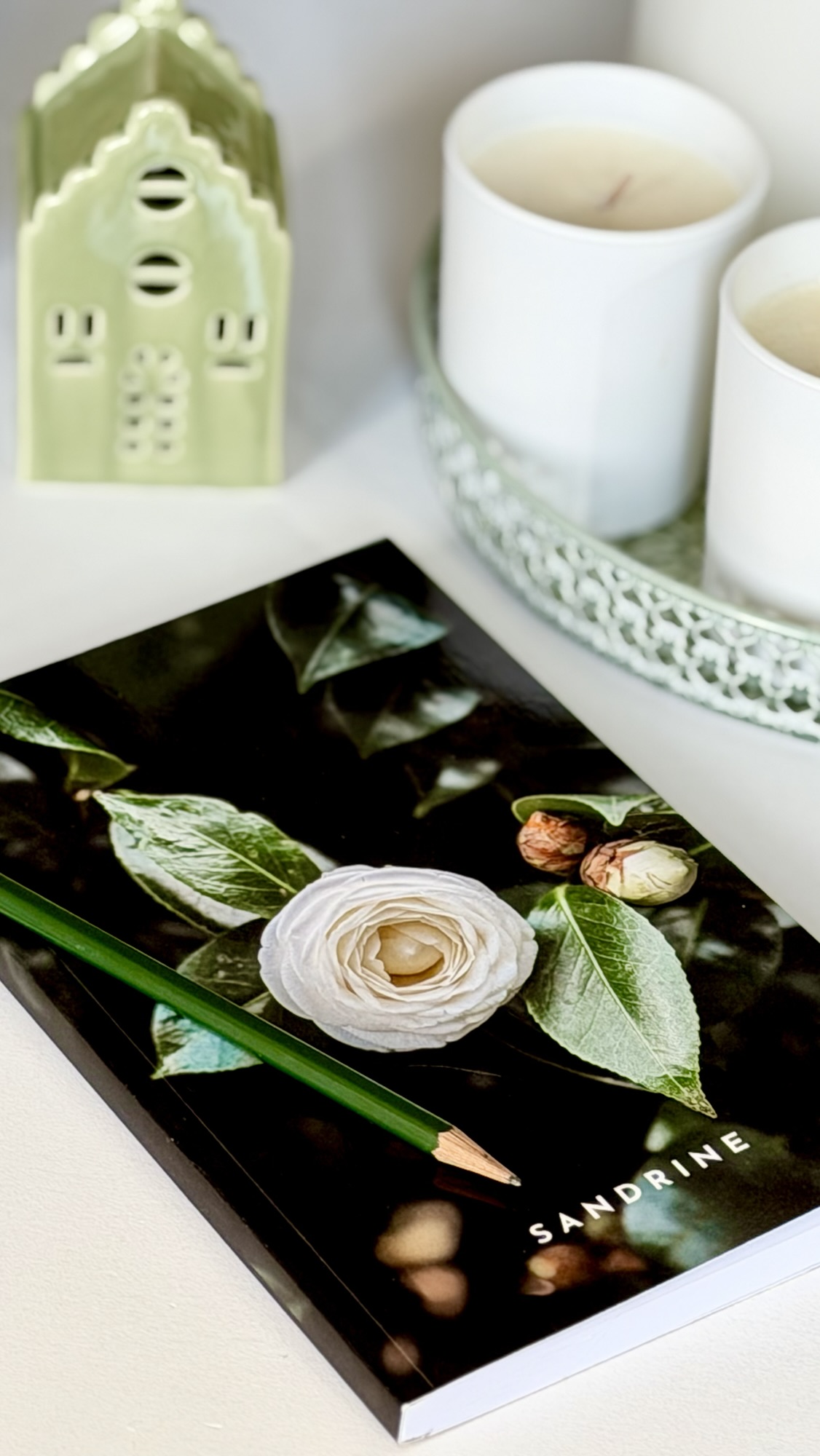
Stop Saving Your Favorite Things for Someday
I used to understand the idea of keeping certain things “for best,” but the older I get, the less sense it makes to me. What is the point of owning something beautiful if we are constantly waiting for an occasion worthy of using it?
Of course, some possessions are precious and deserve to be looked after. But looking after something and barely using it are two very different things. A beautiful tablecloth becomes part of family lunches. A handbag develops a softer patina after years of being carried. A favorite perfume becomes associated with a period of our lives. Objects become more meaningful when memories attach themselves to them.
I think this is particularly true of clothes. We can spend a surprising amount of time searching for the perfect blazer, dress or handbag and then become reluctant to wear it too often because we want to keep it pristine. I would rather take care of the pieces I love while actually enjoying them. Good clothes are meant to accompany a life, not simply occupy a wardrobe.
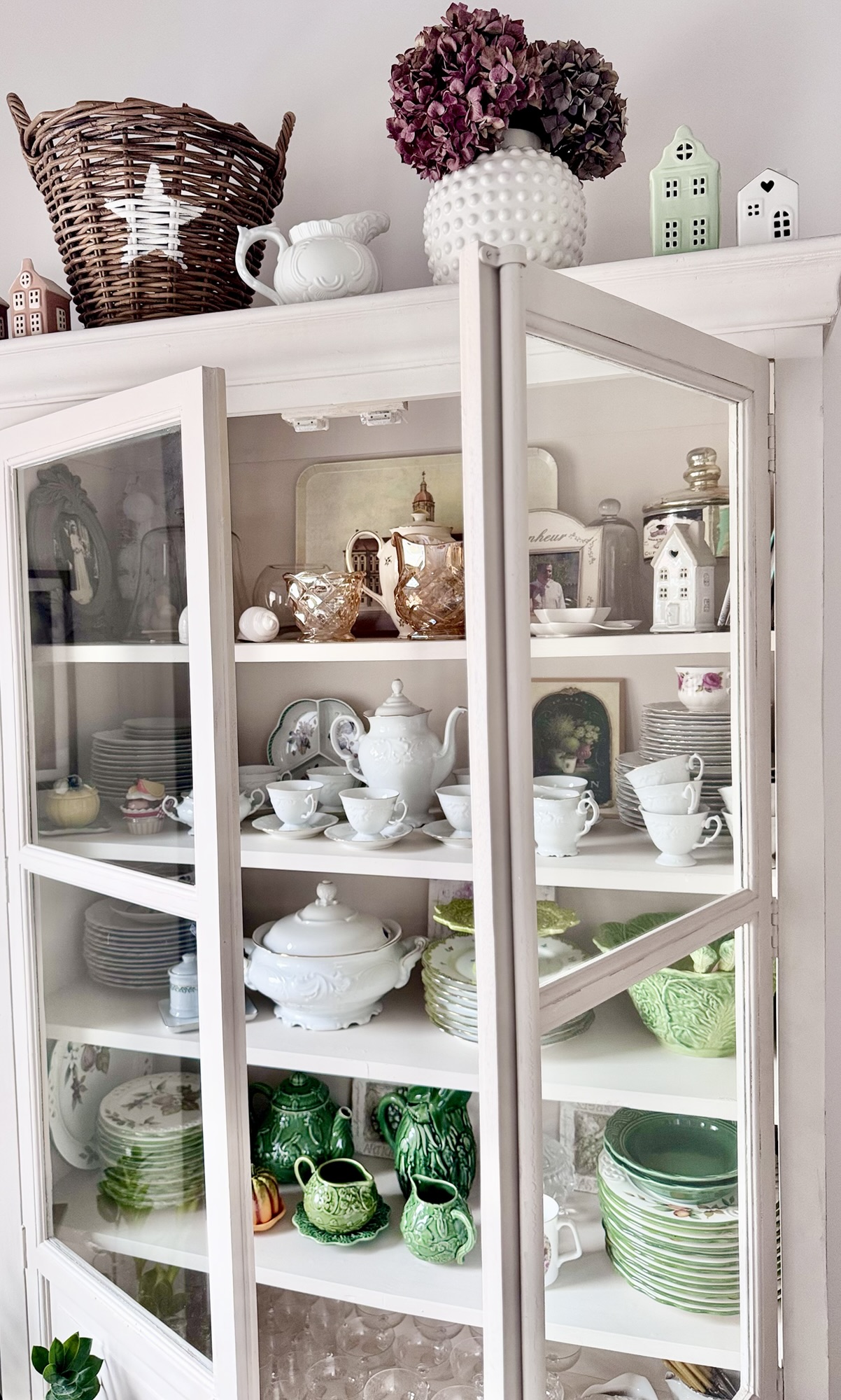
The same applies to our homes. If you have beautiful china, use it for an ordinary Sunday lunch. If you inherited glasses from your grandmother, perhaps they deserve to be brought out more than twice a year. A small chip, a softened piece of linen or a little wear on something we have loved for years does not necessarily diminish its beauty. Sometimes it becomes part of its story.
There is also a practical lesson here: before buying something new, look at the beautiful things you already own but rarely use. Bringing them back into everyday life can be surprisingly satisfying. You may discover that you need less than you thought.
I no longer want the nicest things I own to spend most of their lives waiting for mine to become special enough. An ordinary day is already a good enough reason to enjoy them.
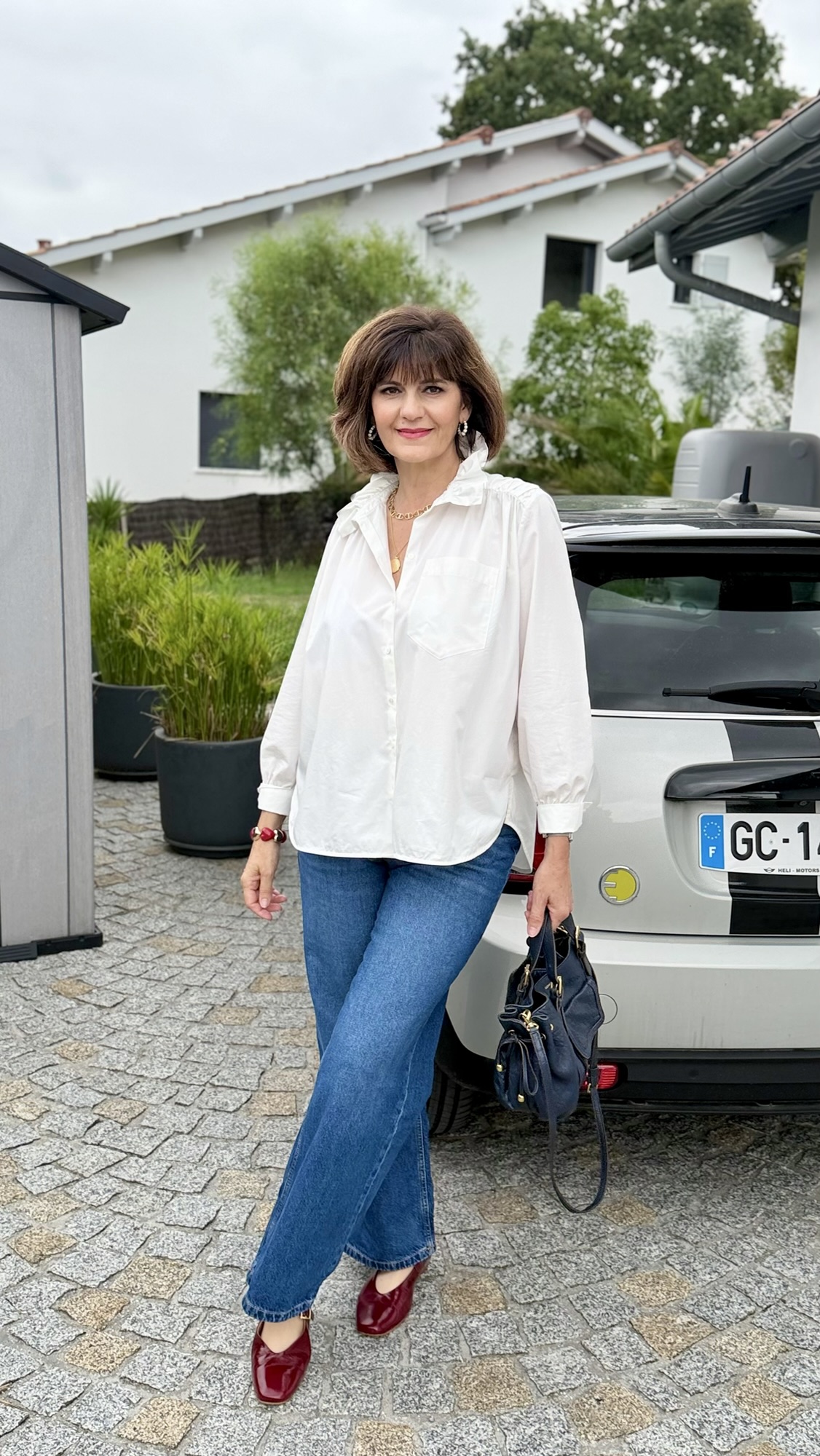
Romantic Blouse Balzac Paris (affiliate link)
Make an Ordinary Morning Feel Like Your Own
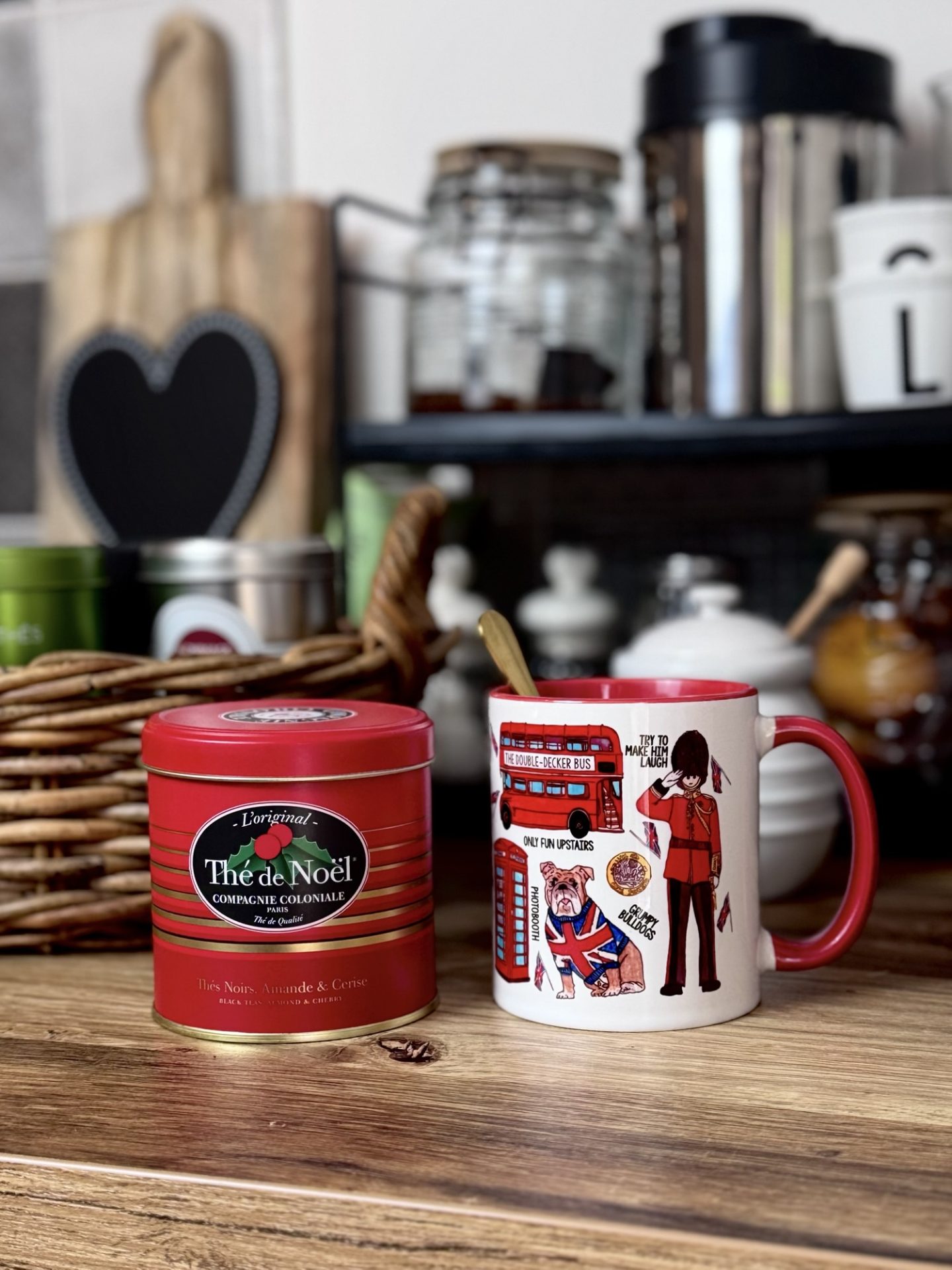
I have no desire to turn my mornings into an elaborate ritual that begins at five o’clock and requires a checklist. What makes a morning enjoyable, for me, is something much simpler: having enough time not to feel rushed from the moment I open my eyes.
Getting up a little earlier than strictly necessary changes everything. Instead of moving from bed to shower to front door at full speed, I can take my time getting ready, choose what I want to wear, do my hair properly and sit down for breakfast. I start the day feeling composed rather than already trying to catch up with it.
I also like the house to wake up gradually. I open the windows, let in the morning light and, depending on my mood, put on jazz, bossa nova or a favorite playlist. I prefer that atmosphere to beginning the day immediately with news, emails and notifications. There will be plenty of time for the outside world afterwards.
Breakfast is one of my favorite ways to make an ordinary morning feel a little more special. I sometimes prepare it as though I were staying at a lovely hotel, even when there is nothing elaborate on the menu. It is not about what I am eating so much as the pleasure of sitting down, taking my time and enjoying those first quiet moments of the day. When the weather is pleasant, having breakfast outside makes it even better.
And this is perhaps the part that matters most: do not give every morning away before it has properly begun. Even twenty unhurried minutes can create a very different start to the day.
You do not need a perfect morning routine. You simply need a morning that leaves a little room for you before everybody and everything else begins asking for your attention.
Dress for Yourself, Not Only for Other People
Fashion has always been part of my life, so naturally it plays a role in the way I romanticize it. I enjoy getting dressed, even when there is nobody in particular to dress for. Not because I believe a woman should always look polished, some days call for comfort — but because clothes can influence the way we enter a day.
There is a difference between putting on whatever happens to be within reach and taking a few minutes to decide how you want to look. On an ordinary morning, a well-cut pair of jeans, a beautiful shirt and a blazer can make me feel immediately more put together. On another day, it might simply be a soft knit, sneakers and a scarf. The point is not to be overdressed; it is to feel that what you are wearing was a choice.
If you enjoy this approach to personal style, I also share how my relationship with French style has evolved after 50.
I have also learned that personal style becomes much easier when you know the pieces that consistently make you feel good. My wardrobe revolves around jeans, white and striped shirts, navy blazers, knitwear, loafers, sneakers and beautiful handbags. They give me a foundation, and then I can change the mood with the details: a brooch on a blazer, an interesting belt, a silk scarf, a beautiful collar or a favorite piece of jewelry.

I particularly enjoy those small finishing touches because they turn getting dressed into something creative. The same jeans and blazer can feel completely different depending on the shoes, the bag, the jewelry or the way a scarf is tied.
You do not need an enormous wardrobe to experience the pleasure of style. I have also written about the small habits that can help you look and feel more polished every day.
And perhaps this is where fashion and romanticizing your life meet. Getting dressed can be a small act of attention toward yourself. You take a few minutes, look at yourself in the mirror and decide that you like what you see.
Not because anyone else is looking, but because you are.
Turn Your Beauty Routine Into a Pleasure, Not Another Task
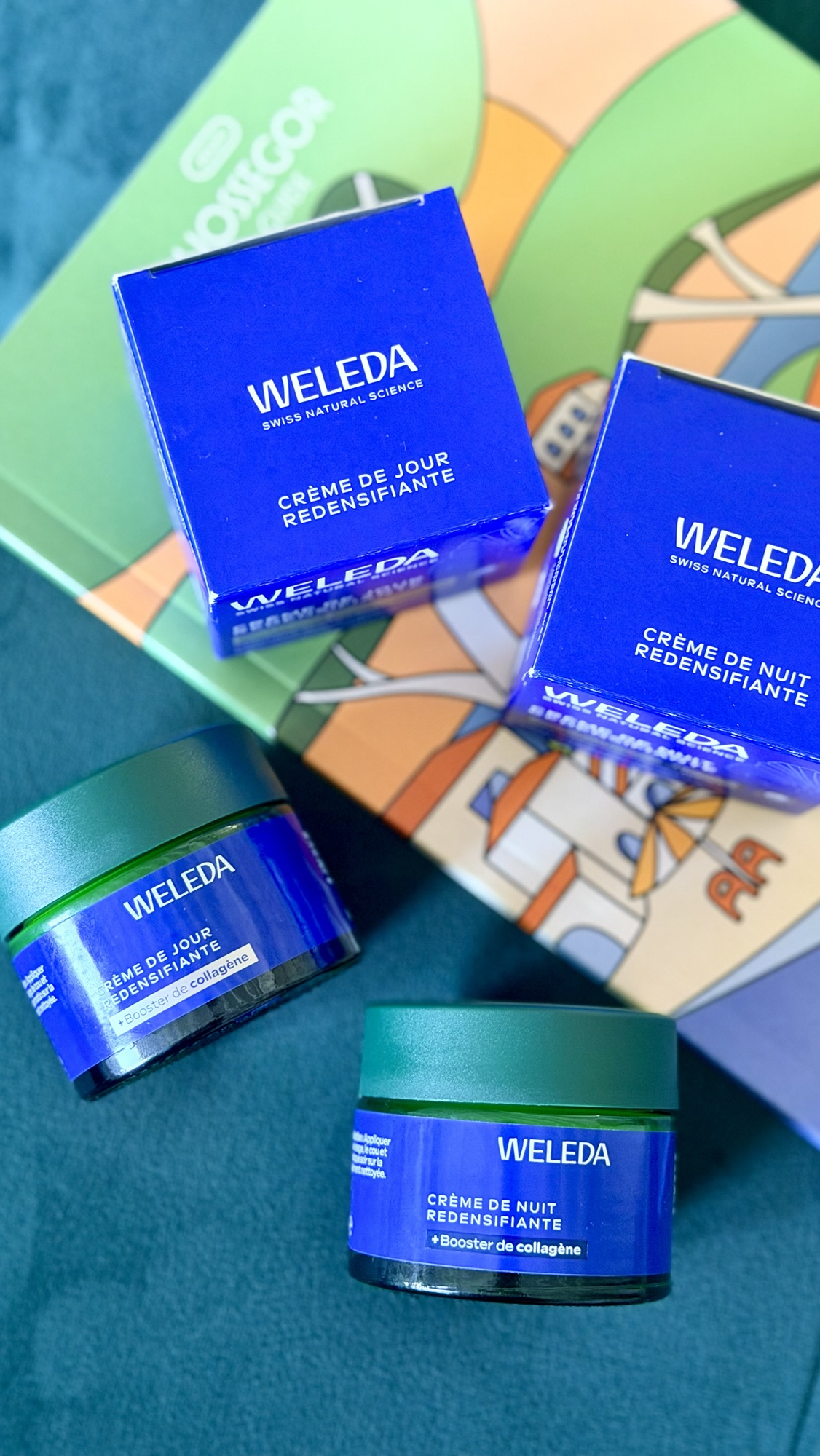
Beauty routines can easily become another list of things we are supposed to do: cleanse, moisturize, exfoliate, treat, protect, repeat. I prefer to think of mine as a moment of care rather than a program to complete.
As I have grown older, I have become more interested in how a beauty routine makes me feel, not simply in what it promises to correct. Taking care of mature skin does not have to mean constantly looking for another wrinkle to erase or another imperfection to fix. There can be genuine pleasure in caring for the skin you have now.
The atmosphere matters almost as much as the products. A warm shower at the end of the day, a soft robe, good towels and a few uninterrupted minutes can turn something completely ordinary into a moment you actually look forward to. Slowing down enough to massage a cream into your skin or brush your hair properly feels very different from doing everything in two minutes while thinking about the next task.
I would also rather own a smaller selection of products that I genuinely enjoy using than a bathroom overflowing with things bought because somebody told me I needed them. A beautiful texture, a fragrance you love, packaging that is pleasant to handle or simply a product that feels wonderful on the skin can make consistency much easier. The best routine is often the one you are happy to return to.
Hair deserves the same attention. A good cut, taking time to style it and keeping it healthy can have an enormous effect on how we feel about our appearance. It does not require a salon appointment every morning; sometimes a few extra minutes spent doing your hair properly are enough to make you feel much more put together.
And then there is fragrance. For me, perfume is not the finishing touch reserved for dinners or special occasions. Scent has an extraordinary ability to create a mood and become attached to memories. A fragrance worn during an ordinary period of your life can bring that time back years later in an instant.
That is perhaps what I enjoy most about beauty rituals: they are private pleasures as much as visible ones. Nobody needs to know that you used your favorite body cream, took extra time with your hair or wore a fragrance simply because you wanted to smell it yourself.
Not everything we do to feel beautiful needs an audience.
Put Something in Your Calendar Simply Because You Will Enjoy It
Our calendars have a tendency to fill themselves with obligations. Appointments, errands, work, family commitments and all the practical things that keep life running usually find their place first. What we enjoy is often left for whatever time remains — and sometimes very little does.
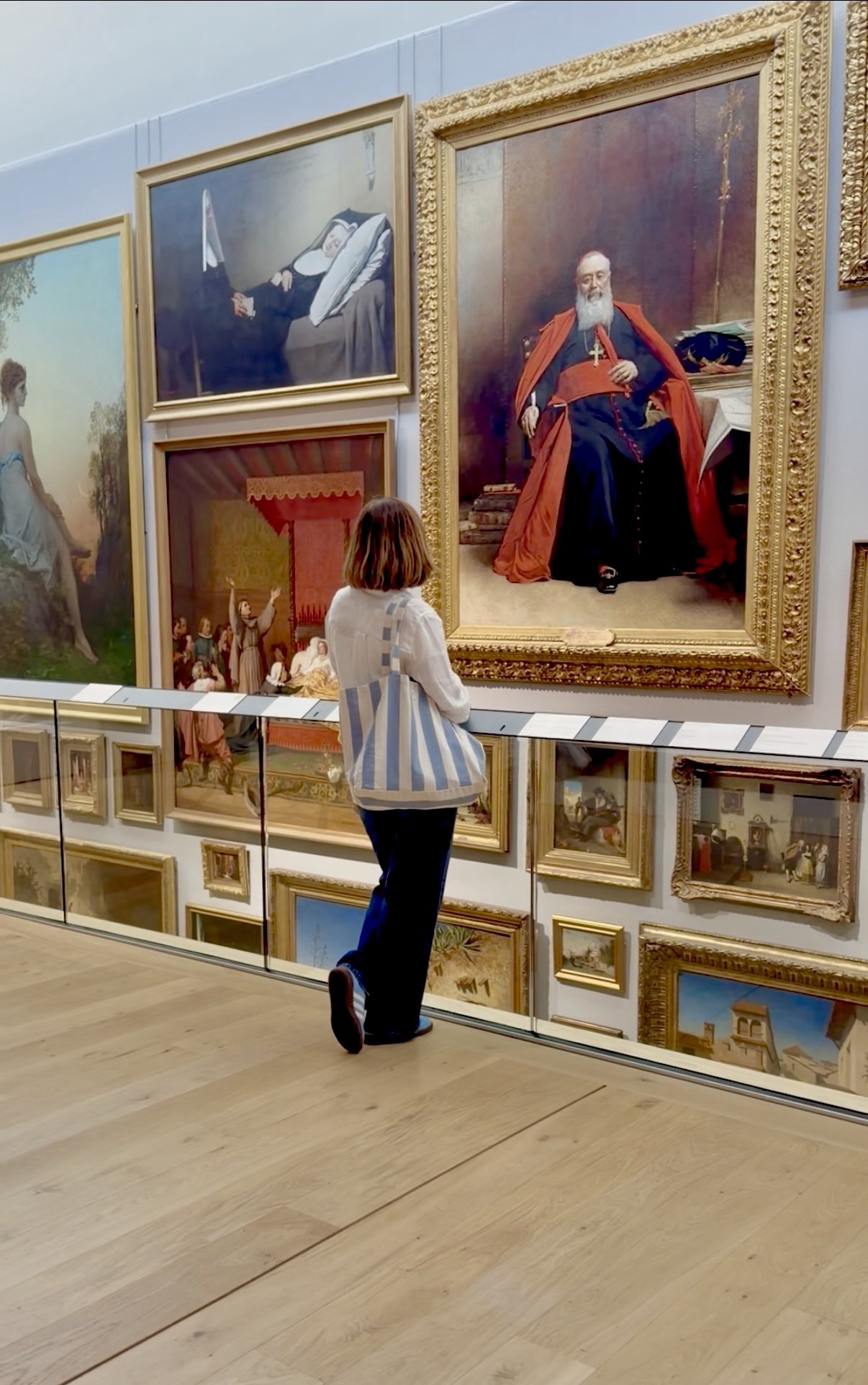
I have become much more conscious of making room for things I genuinely look forward to. Not because they are productive, useful or necessary, but simply because anticipation is part of the pleasure. Knowing that I have an exhibition, lunch with a friend, a day trip or even an afternoon to myself coming up can brighten the days before it happens.
I think this becomes particularly important as we get older. It is easy to become very efficient at managing life while forgetting to keep introducing new experiences into it. Having something on the horizon keeps curiosity alive. It gives us a reason to discover a place, dress for an occasion, learn something new, see someone we love or simply break with our usual routine.
These plans do not need to be expensive or elaborate. What matters is that they are treated as real appointments rather than vague ideas beginning with “one day.” If there is an exhibition you want to see, choose the afternoon. If you have been talking about visiting somewhere for months, decide when you are going. If you miss a friend, suggest an actual date instead of promising to get together soon.
I also like having plans of different sizes. A small pleasure next week and a bigger dream several months away serve different purposes. One brings variety to everyday life; the other gives us something to anticipate and prepare for. My upcoming trip to Bath and the Cotswolds belongs to the second category. The pleasure began long before the journey itself with reading, imagining the places I want to see and gradually turning an idea into an itinerary.
Some pleasures don’t need company, either. I have no problem going to an exhibition on my own, settling into a beautiful café with a book or spending an afternoon following whatever catches my interest. There is a particular freedom in being able to enjoy your own company: you can linger, change your plans, take your time and follow your curiosity without having to accommodate anyone else. Once you stop treating being alone as a reason not to go, many more possibilities open up.
A full life needs more than obligations written in ink and pleasures left in pencil. Sometimes the simplest way to make “someday” happen is to give it a date.
Read More and Create a Place That Makes You Want to Read
Reading is one of the easiest ways to leave everyday life for a while without going anywhere. A good book can completely change the atmosphere of an afternoon or an evening, and I still particularly enjoy the ritual of reading a physical book: choosing it from the shelf, feeling the paper, finding my place again and settling somewhere comfortable for a while.
I have always loved books that create a strong sense of place and atmosphere. As a lifelong admirer of Jane Austen, I am naturally drawn to the world surrounding her novels: English country houses, gardens, long walks, letters, conversations and drawing rooms. Part of the pleasure comes from entering a world with a rhythm completely different from our own.
But the genre matters far less than finding books that genuinely make you want to keep reading. Reading should be a pleasure, not another cultural obligation. If a novel does not hold my attention, I no longer feel guilty about putting it aside. There are far too many wonderful books waiting to be discovered.
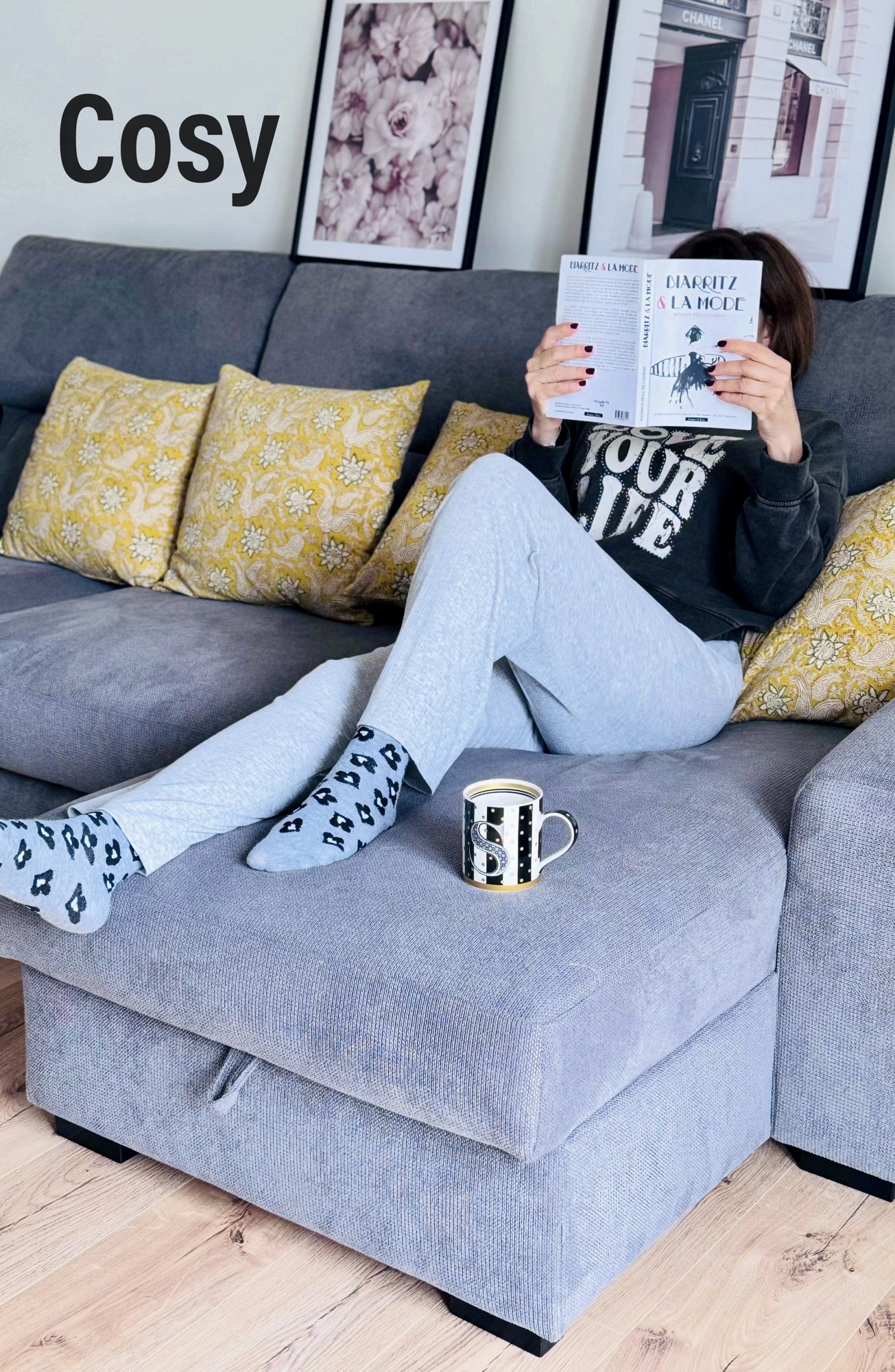
I also think our surroundings can encourage us to read more. Instead of promising yourself that you will somehow find more time, create a place where you naturally want to sit down with a book. It does not need to be a library or even a separate room. A comfortable armchair near a window, a small table, a good reading lamp and somewhere to put a cup of tea can be enough. Add a cushion or a throw in winter and keep the book you are reading within reach rather than putting it away every time you close it.
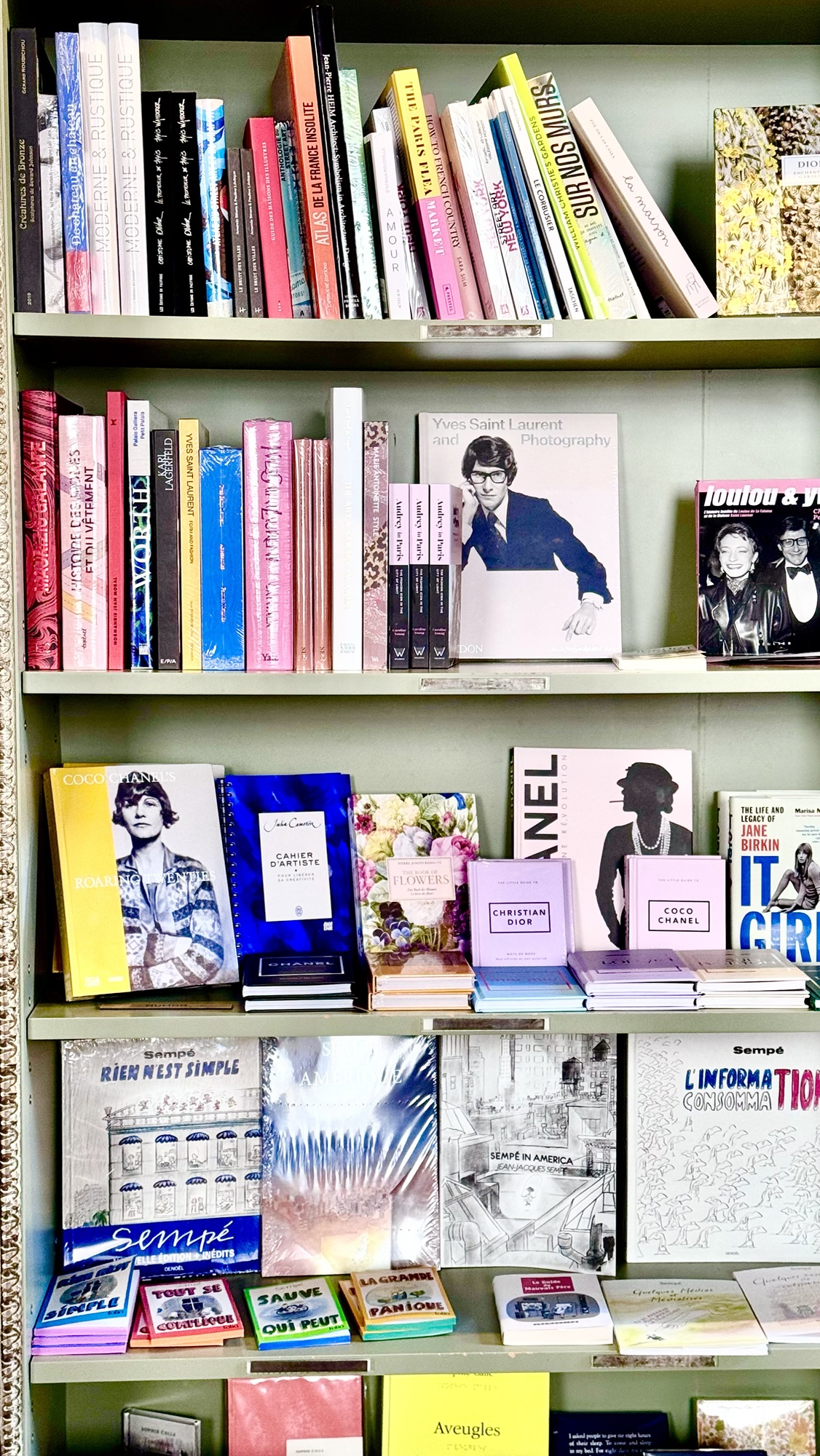
Books themselves can also become part of the pleasure of a home. I love seeing them on shelves, stacked on a side table or waiting beside a chair. And when I am buying a classic that I know I will keep, I sometimes prefer to choose a particularly beautiful edition. A lovely cover, good paper and a well-designed binding turn a book into an object I will enjoy owning long after I have finished reading it.
There are also periods when sitting down with a physical book is simply not practical. That is where audiobooks have found a place in my life. They allow me to continue enjoying stories while walking, driving or doing something with my hands. For me, audiobooks do not replace reading; they simply create another opportunity for books to be part of the day.
And perhaps that is the best way to read more: stop treating reading as something you need to find time for and make it one of the ways you genuinely enjoy spending your time.
Keep Learning and Stay Curious
One of the things I value more and more as I grow older is curiosity. I never want to reach an age when I assume that I already know what I like, what interests me or what the world has left to teach me. There are always books I have not read, places I know nothing about, artists waiting to be discovered and subjects capable of taking me somewhere unexpected.
For me, culture is one of the most enjoyable ways to keep that curiosity alive. A museum, an exhibition, a play, a concert or a historic house can open a door onto a period, an artist or an idea I knew very little about before. I do not feel the need to become an expert. Sometimes learning one fascinating thing is enough to make me want to know ten more.
I have a particular affection for writers’ homes because they make literature suddenly tangible. Seeing the desk where someone worked, the rooms they lived in or the landscape they looked at every day creates a connection that reading a biography cannot quite reproduce. Over the years, I have visited George Sand’s home in Nohant, Ernest Hemingway’s house in Key West and Maurice Leblanc’s home in Étretat, where the world of Arsène Lupin feels wonderfully close. I still remember these visits very clearly. They were not simply tourist attractions to tick off an itinerary; they were experiences that changed the way I imagined the people behind the books.
Curiosity does not require traveling far, however. Sometimes it begins by realizing how little we know about the place where we already live. I find it fascinating to discover the history of a building I have passed hundreds of times, learn why a local tradition exists or visit a small museum I had barely noticed before. Looking more closely at familiar surroundings can make them interesting again.
Learning something new is another way of resisting routine. It might mean becoming interested in an artist before visiting an exhibition, reading about the history of a destination before traveling there, learning a language or simply following a question because it has caught your attention. I am currently interested in improving my Spanish, for example, and I like the idea that there is no age at which we should stop being beginners.
I also think curiosity becomes richer when we spend time with people who know things we do not. Instead of always staying within familiar subjects and familiar opinions, listening to someone speak passionately about their profession, a country, a book, an art form or a skill can take a conversation somewhere completely unexpected.
Growing older gives us experience, but experience should not make the world feel smaller. Ideally, it gives us more connections, more references and even more reasons to keep exploring it.
That is the kind of aging I want: not knowing everything, but never losing the desire to know more.
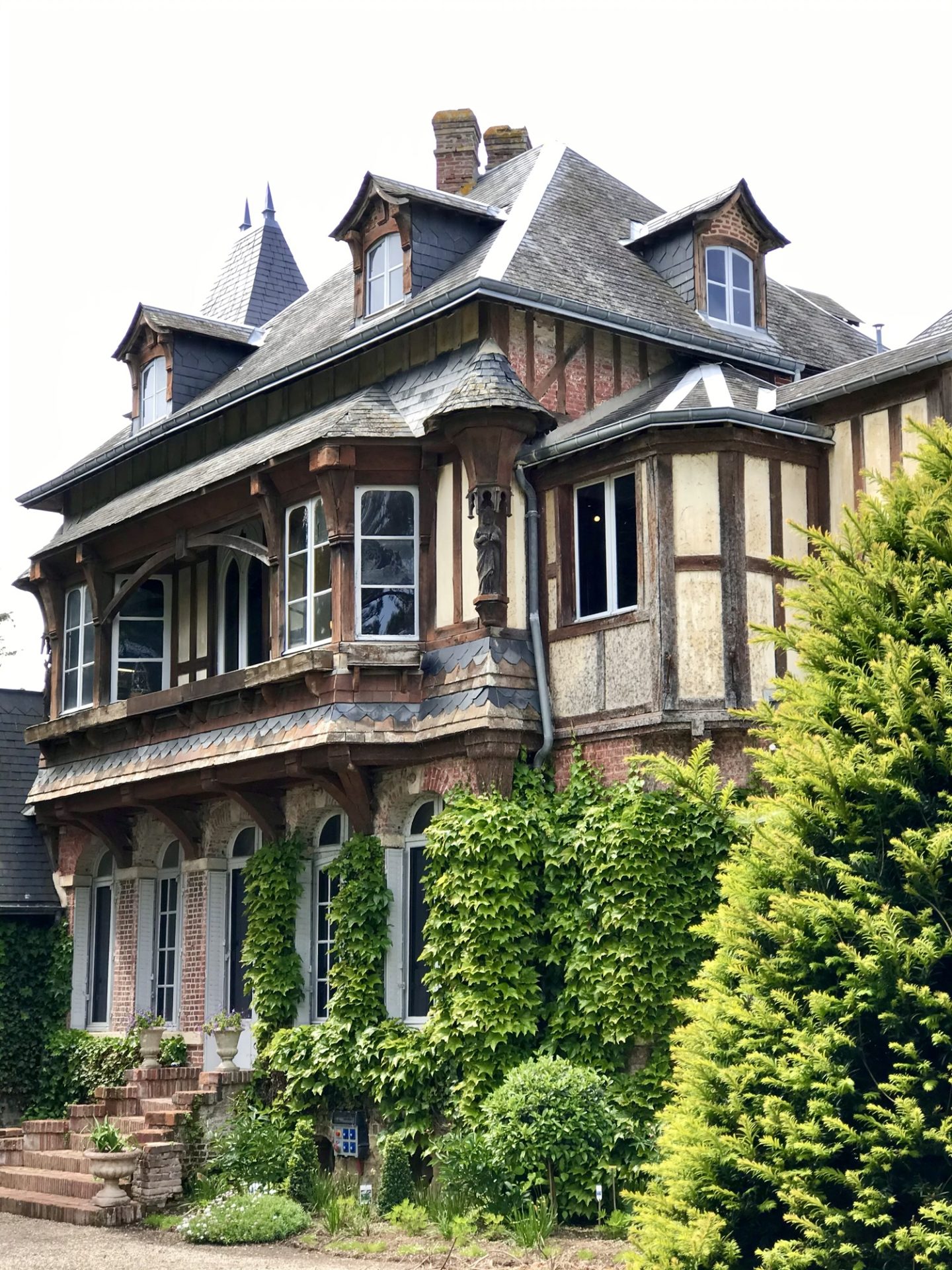
Maurice Leblanc’s home in Étretat
Make a Bucket List You Actually Intend to Use
Appreciating the life we already have does not mean we should stop wanting new experiences. I think we need both: the ability to enjoy what is already here and the desire to make some of our dreams happen.
That is why I like keeping a bucket list. I do not see it as a collection of spectacular things I need to accomplish before a certain age, and certainly not as another measure of whether I am making enough of my life. For me, it is simply a place to keep the dreams and experiences I do not want to forget.
Some wishes may stay there for years. Others gradually begin to feel possible. And that is when a bucket list becomes useful: not when we keep adding to it, but when we return to it and ask ourselves, What am I actually willing to do to make one of these happen?
Romanticizing your life does not happen by magic. Sometimes it means making a decision, setting money aside, organizing the practical details, booking the ticket or simply having the courage to stop postponing something that matters to you.
This year, one of those dreams came true when I traveled to New York with my daughters. What made the trip especially meaningful was not only finally being there, but sharing it with them. Some dreams become even more precious because of the people we experience them with. New York is now connected to memories we created together, and that gives the trip a completely different value.

And another dream is already taking shape. My husband recently surprised me by planning a road trip through the Cotswolds, with time in Bath as well. As a longtime Jane Austen admirer and someone who has always loved the atmosphere of the English countryside, this trip feels particularly special to me. I am already imagining the villages, the old stone houses, the walks, the changing light at the end of September and the pleasure of discovering a place I have admired for years from afar.
What I love most is that these experiences remind me that dreams do not have to remain abstract. They can become dates, reservations, routes on a map and eventually memories but that usually requires intention. Sometimes we make them happen ourselves; sometimes someone we love helps make them possible. Romanticizing your life does not happen by magic: at some point, you have to decide that something matters enough to make room for it.
I also think a good bucket list should be deeply personal. It does not need to contain the destinations everybody says we should visit or the experiences that photograph well on social media. What belongs on it is whatever makes you feel genuinely excited when you imagine yourself doing it. A dream does not become more valuable because it is expensive, distant or impressive to somebody else.
And our lists should be allowed to change. Something we desperately wanted ten years ago may no longer appeal to us, while a new interest can suddenly lead in an entirely different direction. Crossing something off because you no longer want it is just as legitimate as crossing it off because you finally did it.
One of the pleasures of getting older, for me, is becoming more conscious of this distinction between “I would love to do that someday” and “I am going to find a way to do it.”
Become a Tourist in Your Own Region
Fortunately, we don’t need to travel far every time we want a change of scenery. There are often remarkable places much closer to home than we realize, simply because familiarity makes us overlook them.
Living on the French Basque Coast, I am surrounded by beautiful landscapes, villages and places that people travel a long way to discover, including Biarritz, one of the places I know and love best.
This weekend, for example, I am heading to the Gers, a part of southwestern France that is relatively close to where I live and that I barely know. It is home to six villages officially listed among Les Plus Beaux Villages de France, which makes me wonder how many other wonderful places are waiting to be discovered almost on my doorstep.
I am also planning to explore some of the local flea markets and brocantes while I am there. Hunting for beautiful old objects is another passion of mine, and I love the idea that something found by chance in a small village can come home with me and become part of my own story. An old plate, a piece of linen, a small painting or an object with a beautiful patina can become a souvenir far more personal than anything bought in a tourist shop.
The place you stay can become part of the experience too. When I plan a weekend away, I increasingly pay attention to the atmosphere of the accommodation itself. Instead of automatically booking an ordinary guesthouse or a standard hotel room, why not occasionally choose a château, a historic manor house or a charming old property with real character?
Waking up in a beautiful room, having breakfast in an old dining room, walking through a garden before everyone else is awake or simply discovering the history of the house can become as memorable as the destination itself. You are not just looking for somewhere to sleep; you are choosing a setting for the time you are about to spend there.
Of course, this does not mean every trip needs to be luxurious or expensive. There are wonderful historic properties and characterful guesthouses at very different prices, especially outside the busiest periods. I would sometimes rather take one memorable weekend in a place with soul than several nights somewhere I will barely remember.
For me, this is another way of romanticizing travel: choosing a place that makes you feel something the moment you arrive.

Let Nature and the Seasons Set the Rhythm
I have always loved the way the seasons change the atmosphere of everyday life. Instead of trying to live exactly the same way all year, I like allowing each season to influence what I notice, what I enjoy and the rhythm of my days.
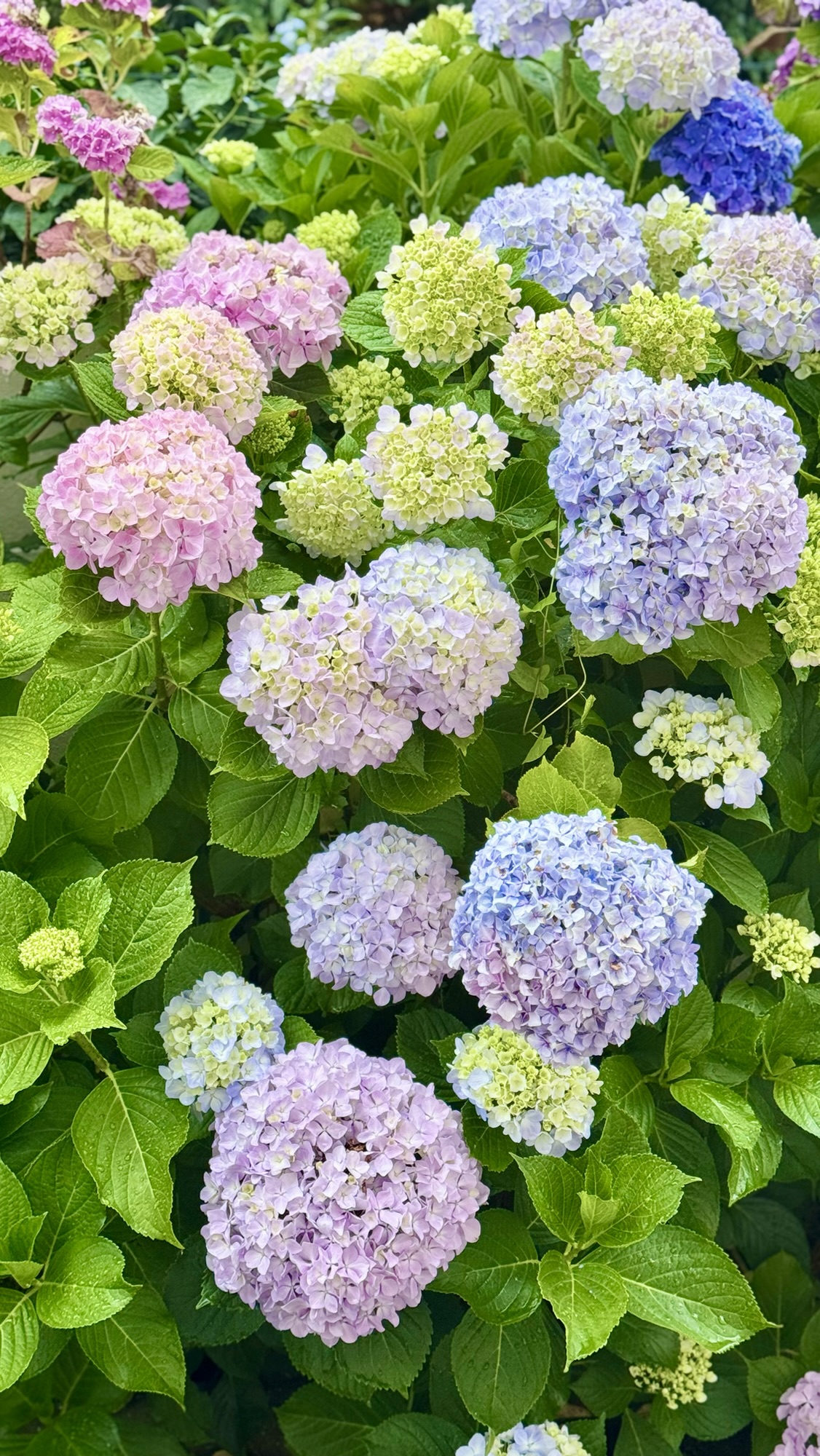
Spring is when I feel this most strongly. The garden comes back to life, the windows stay open longer and the first lunches outside become possible again. Every year, I plant a few trees, and one of my greatest pleasures is watching them grow and eventually flower. My mimosa has been the biggest surprise. It grew incredibly quickly, and when it blooms, its fragrance fills the garden. I love stepping outside and suddenly catching that scent in the air. It is such a small thing, and yet it can genuinely change my mood.
Flowers naturally find their way indoors too. A bouquet can completely change the atmosphere of a room, and I particularly love peonies, garden roses, ranunculus, sweet peas, hydrangeas, lilacs, anemones and dahlias. Even a few seasonal flowers or branches from the garden in a simple vase can make a room feel more alive.
Summer is more complicated for me. The heat has become increasingly difficult, and the French Basque Coast is extremely busy during the tourist season. I still enjoy long evenings and being outdoors, but I now appreciate summer most in the quieter hours, early in the morning or later in the day.
Fall is probably my favorite season. I love the shift in light, the first cool mornings, the return of knitwear, boots and richer textures, and the feeling that life naturally slows down a little. I enjoy walking more, cooking differently, spending longer evenings with a book and bringing warmer colors and fabrics back into the house. There is something especially comforting about rediscovering all the small pleasures that belong only to this time of year.
Winter has a different kind of beauty. The shorter days make home feel more important, and I naturally pay more attention to lighting, warmth and comfort. I enjoy soft lamps in the evening, blankets, hot drinks, seasonal cooking and the quieter rhythm that comes after the holidays. Rather than wishing winter away, I prefer to notice what this season offers that cannot be recreated in June.
Living with the seasons gives the year a rhythm. There is always something ending, returning or beginning again, and that sense of change makes everyday life feel less monotonous.
Create a Home That Feels Like You
I love interiors with personality, spaces that feel warm, layered and a little bit like a beautiful boutique, with carefully chosen objects, soft lighting, books, textiles and decorative details that make you want to stay.
Creating that kind of home takes time. Over the years, we slowly find the pieces that give it character: an old chair to restore, a beautiful mirror, a ceramic vase, a lamp with an interesting shape, framed prints, baskets, books, cushions, throws, dried flowers or objects brought back from trips. The most charming interiors are often built little by little rather than bought all at once.
I enjoy looking for inspiration in decorating magazines, home stores and on Pinterest. Creating a board for each room can be a great way to define the atmosphere you want before making changes. You begin to notice the colors, materials, shapes and details you return to again and again.
Some elements can completely transform a room. Wallpaper, wood paneling, painted moldings, a beautiful wall color or a well-chosen light fixture can give an interior much more depth and character. Then come the layers: cushions, lamps, books, pottery, flowers, textiles and the little objects that make the space feel lived-in and personal.
I also love the idea of mixing new pieces with older ones. A piece of furniture found at a flea market and carefully restored can bring much more soul to a room than something chosen simply because it is fashionable.
A cozy home is not necessarily minimal, and it does not need to be perfectly styled. It can be decorative, romantic, collected and even a little theatrical, as long as it reflects your own taste and your own story. That is what makes a home feel special: not perfection, but personality.
Make Time for People
Romanticizing your life is not only about creating beautiful moments for yourself. Some of the most meaningful moments are the ones we create with other people. As the years go by, I find that making time for family and friends feels increasingly precious.
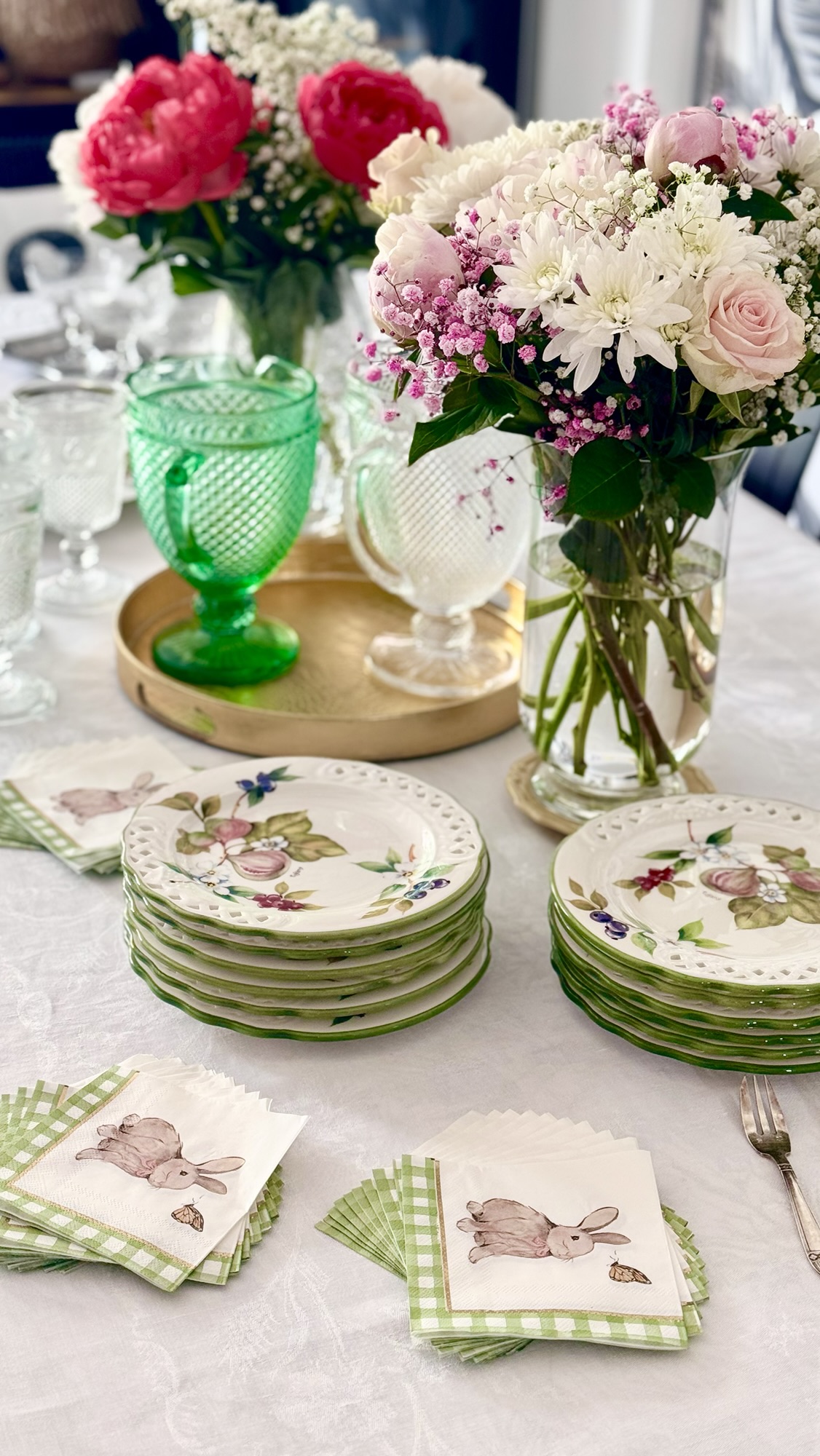
It is very easy to say, “We really must see each other soon,” and then allow weeks or even months to pass. Making the invitation, choosing a date and opening your home turns that vague intention into a real memory. And it does not need to be a special occasion. An ordinary Sunday lunch, an afternoon tea or a simple dinner with people you love can become one of those moments you remember long afterwards.
I particularly like entertaining at home because preparing for people is part of the pleasure. Setting a pretty table, choosing flowers, lighting candles, putting on music and preparing something everyone will enjoy creates an atmosphere before anyone has even arrived. The meal itself does not have to be sophisticated. What matters is making people feel welcome and creating a setting where everyone wants to stay at the table a little longer.
The seasons naturally change these moments too. In summer, when the weather allows it, dinner can move into the garden and continue into the evening. In fall and winter, I love the intimacy of being indoors, with softer lighting, candles and a warm atmosphere. The pleasure comes from adapting these gatherings to the season rather than waiting for the perfect occasion.
Taking care of our relationships also happens outside these shared meals. I love the idea of noticing what would make someone happy and acting on it: remembering a book a friend mentioned, bringing flowers when you visit or sending a postcard while traveling. These gestures matter because they show someone they were on your mind, not because of what they cost.
Give Your Evenings a Softer Ending
The way we end the day can change how the entire evening feels. I enjoy creating a clear transition between the practical part of the day and the quieter hours that follow.
For me, it starts with the atmosphere of the house. I prefer to put away what is lying around, dim the lights and switch off the harsh overhead lighting in favor of table lamps, candles or softer pools of light. That simple change makes the room feel calmer immediately.
I also try not to let my phone dictate the last hour of the evening. Leaving it on a table instead of carrying it from room to room makes it easier to slow down. Listening to music, putting on a vinyl record, reading a few pages or watching a film, a tv show without constantly checking notifications creates a much more restful rhythm.
A simple evening routine can help too. Taking time to remove makeup properly, apply skincare, put on comfortable pajamas and prepare the bedroom can become a pleasant ritual rather than another task. Fresh sheets, a glass of water nearby, a book on the bedside table and a room that feels comfortable all make the end of the day feel more intentional.
If your mind is still busy, try writing down one thing you want to remember from the day, one thing you are grateful for or one thing you do not want to forget tomorrow. It does not need to become a daily journaling practice. The point is simply to create a little distance from the noise of the day.
And if you have had an ordinary day, that is enough too. A good dinner, a conversation with a good friend, a quiet house at the end of the evening can be worth noticing. Romanticizing your life also means learning to recognize these small moments before they disappear into routine.
Romanticizing Your Life Means Living It Now
The older I get, the more I realize that a beautiful life is not something that appears all at once. It is built quietly, through choices that may seem insignificant at the time.
It is in the way we arrange our surroundings, the things we decide to notice, the places we finally make time to visit, the people we choose to keep close, and the small promises we stop postponing.
At 60, I am much less interested in waiting for the “right moment.” I would rather create one.
Sometimes that means something very simple: opening the windows and hearing the birds, noticing that the mimosa has bloomed, finding an old object at a flea market or spending an evening with a book instead of a screen. Sometimes it means turning a long-held wish into something real, like planning a trip to Bath and the Cotswolds because a world I have loved through books deserves to be experienced beyond the page.
That is what appeals to me most about romanticizing life. It is not about making everything prettier but it is about becoming more present in your own life while you are living it.
There will always be ordinary days, unfinished plans and practical responsibilities. But there can also be curiosity, beauty, anticipation and pleasure woven through them.
And perhaps that is enough: to stop treating life as something that will begin later and to make the life you already have feel more fully yours.
Muxu.