Every year, countless articles promise to reveal the secret behind Parisian style. Most rely on the same familiar images: a Breton striped top, a red or black beret, ballet flats and a swipe of red lipstick. These clichés may belong to the fantasy of French fashion, but they no longer reflect how most Parisian women actually dress today.
As a French woman, I have always found it fascinating to see Parisian style portrayed abroad as though there were a single formula to follow. Spend a day walking through Paris and the reality is far more varied. Some women pair sharply tailored blazers with jeans and white sneakers. Others prefer fluid dresses, elegant trousers, refined knitwear, vintage pieces or subtle prints.
What connects these different looks is a practical and highly personal approach to dressing. Parisian women dress for real life. They walk, commute, work, travel, meet friends for lunch and move easily from daytime appointments to evenings in neighbourhood cafés and restaurants. Their clothes need to be comfortable, versatile and polished without looking overly considered.
That practicality naturally favours pieces that can be worn often and styled in different ways: well-cut jeans, a wool coat, elegant loafers, a navy blazer, a cashmere sweater, a beautiful leather handbag and a blouse that works just as well during the day as it does for dinner.
There is also room for personality. A colourful blouse, an unexpected accessory, a vintage find, a beautiful scarf or a statement piece can completely change an otherwise understated outfit. The most convincing Parisian looks feel personal rather than prescribed, with just enough individuality to make familiar pieces look fresh.
In this guide, we’ll leave the clichés behind and look at what Parisian style really means today: the essential pieces of a modern Parisian wardrobe, the colours and fabrics that work together, the shoes and accessories that make a difference, and the French brands worth knowing.
What Defines Modern Parisian Style?
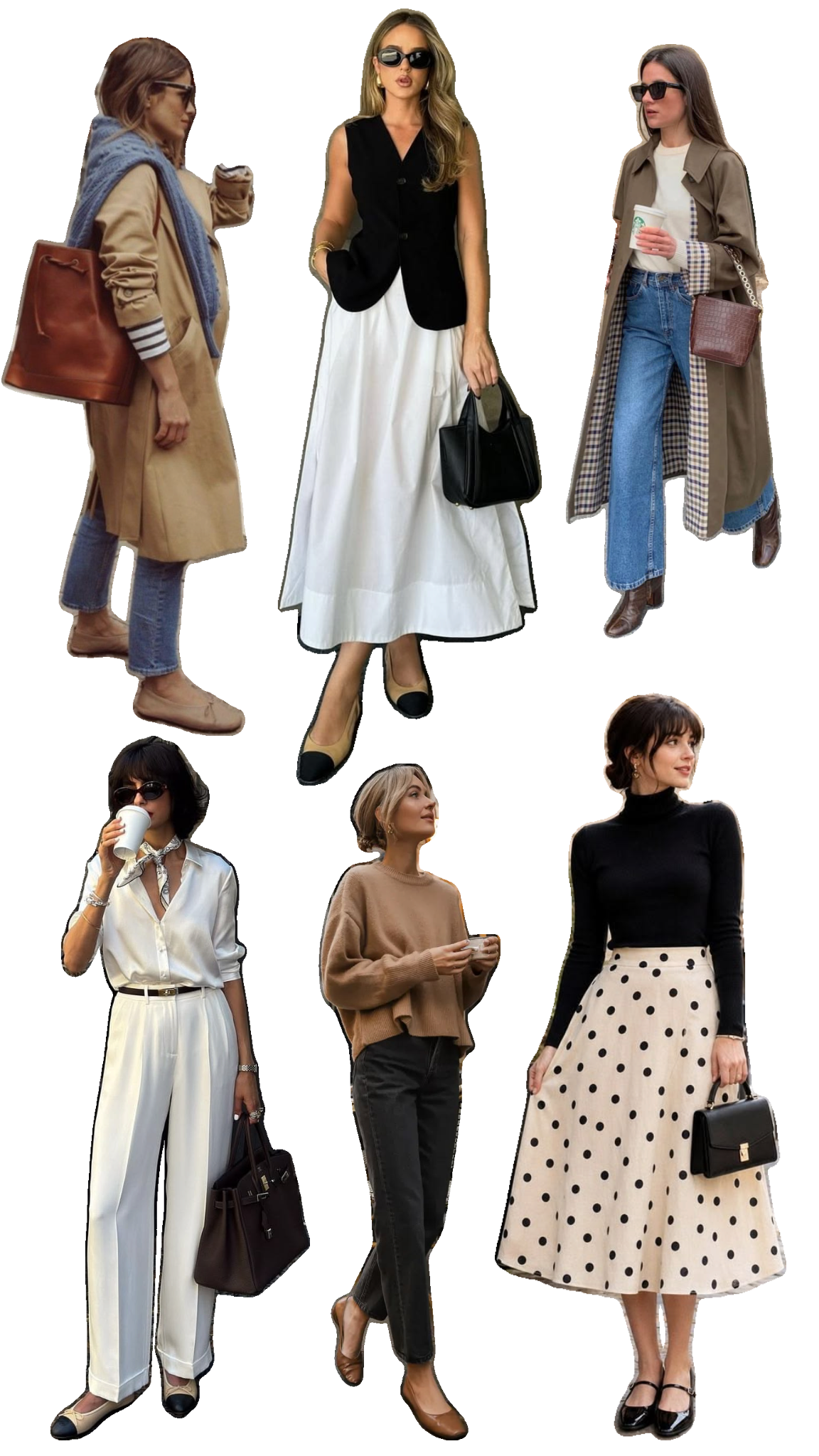
Modern Parisian style starts with a well-edited wardrobe rather than an accumulation of clothes. Pieces are chosen because they work together, suit everyday life and can be worn in several different ways.
A good blazer, for example, should look equally convincing with jeans, tailored trousers or over a dress. The same applies to a cashmere sweater, a white shirt or a beautiful leather handbag. Versatility matters, but that doesn’t mean everything has to be neutral, classic or predictable.
Parisian women also know how to bring something new into a familiar wardrobe. A brooch pinned to a blazer, a colourful silk scarf, leopard-print shoes, a statement bag or a new denim silhouette can make pieces owned for years feel current again. The foundations may remain timeless, but the styling never has to feel static.
This mix of classic pieces and more personal choices gives Parisian dressing its character. Nothing needs to match perfectly, and following every trend is unnecessary. The most convincing looks often combine good proportions, beautiful fabrics, a touch of contrast and something unexpected.
This versatility also explains why a Parisian wardrobe rarely needs completely separate clothes for work, weekends and evenings. A blazer, white shirt, wool coat or leather handbag can change character depending on what it is paired with, which makes each piece work harder without making the wardrobe feel minimal or restrictive.
How Parisian Style Stays Modern
A classic piece can look completely current when the proportions, styling or accessories change. A tailored blazer with sneakers, a trench layered over a sweatshirt or a silk blouse paired with wide-leg jeans can give familiar wardrobe staples a much more contemporary feel.
Vintage also has its place. Some Parisian women embrace it fully, while others prefer to introduce just one older piece into a modern outfit. A silk scarf, a brooch, a piece of jewellery or a jacket inherited from a mother or grandmother can bring character and a personal story to a wardrobe.
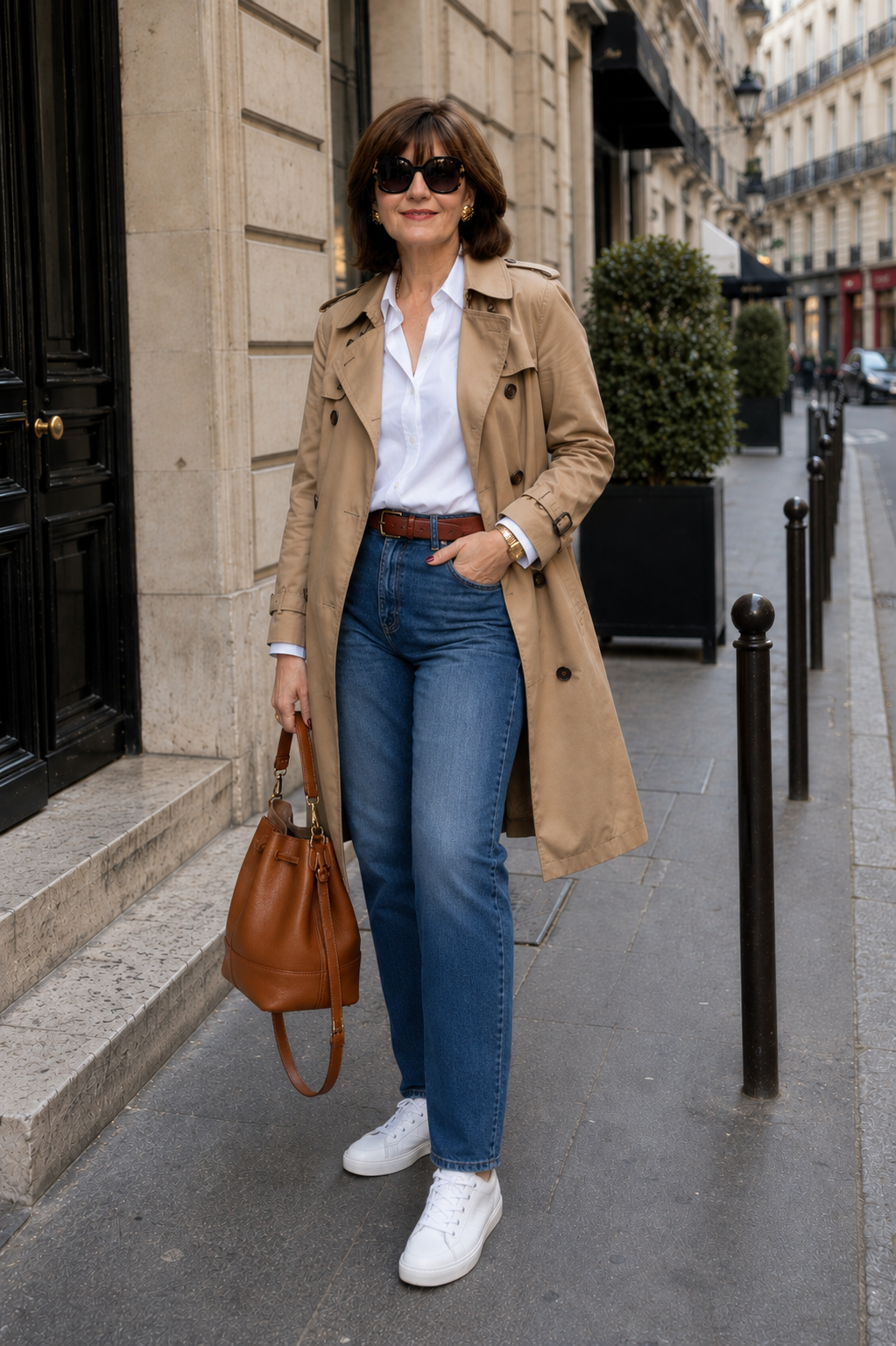
The contrast is often what makes the look interesting. An heirloom brooch on a modern blazer, a vintage scarf with denim or an older jacket worn with contemporary shoes prevents these pieces from feeling dated.
This dialogue between past and present is one of the most appealing aspects of modern Parisian style. Clothes with a history are not necessarily kept for special occasions; they can be worn, mixed and reinterpreted by a new generation.
If you want to give the clothes you already own a more current feel, I also shared my tips on how to update your fall wardrobe without buying everything new.
Why Fit Matters in Parisian Style
A well-cut garment can make more difference to an outfit than its price tag. A perfectly fitting blazer from a mid-range French brand can look far more polished than an expensive designer jacket with the wrong proportions.
Shoulders should sit correctly, sleeves fall at the right length and trousers break where you want them to. The same attention applies to a coat: its proportions can completely change a silhouette, particularly when worn over tailoring or knitwear.
Small alterations are often worth considering. Shortening sleeves, adjusting a trouser hem or slightly refining the waist can transform a garment you already own and make it look almost made for you.
Trends can then be adapted rather than copied. An oversized blazer, wide-leg jeans or a longer coat will always look more convincing when the proportions work with the woman wearing them.
Good fit gives even the simplest clothes presence.
Quality Is Revealed in the Details
A beautiful garment often reveals its quality through details that are easy to overlook: the weight of the fabric, clean seams, a well-finished lining, secure buttons and the way the piece falls on the body.
Natural materials such as cotton poplin, linen, wool, cashmere and silk bring texture and movement to a Parisian wardrobe, while good-quality leather develops character as it ages. But the composition label never tells the whole story.
A high percentage of wool or cashmere does not automatically make a garment exceptional. The density of the fabric, the cut, stitching, lining and finishing matter just as much. A beautiful coat should keep its structure; knitwear should recover its shape; buttons and hardware should feel secure rather than decorative and fragile.
Price is not a guarantee of quality either. Before buying, I always recommend checking the composition label, looking at the seams and finishing, feeling the fabric and considering how the piece is likely to age. These small checks often tell you far more than the name on the label.
The Essential Pieces in a Modern Parisian Wardrobe
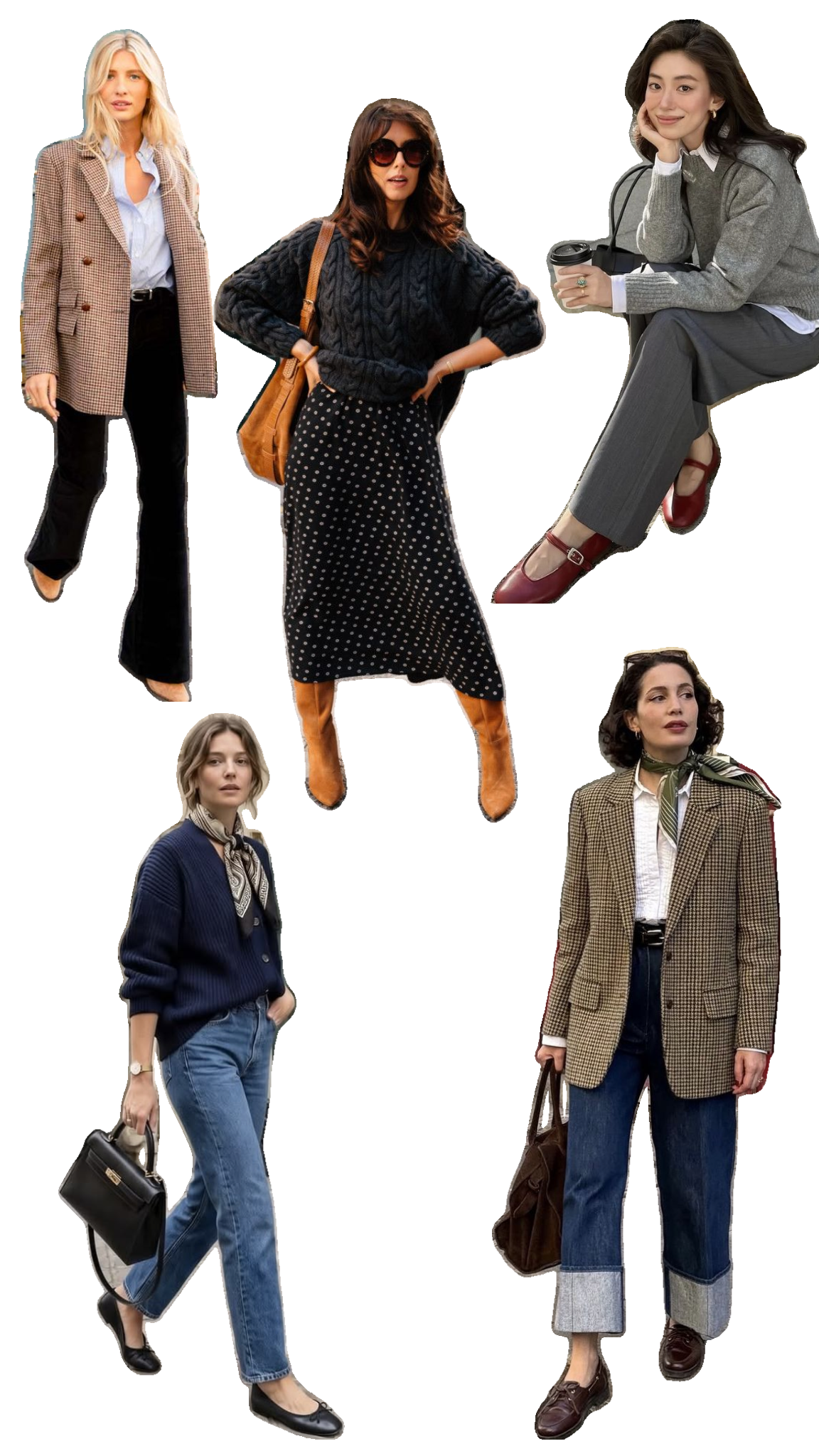
A modern Parisian wardrobe does not depend on owning dozens of clothes. A relatively small number of well-chosen pieces can create very different silhouettes depending on proportions, colour and styling.
Some garments return again and again because they are easy to wear, flattering and adaptable. Others bring personality and prevent a wardrobe from becoming too predictable.
1/ A Well-Cut Blazer
Few pieces work harder than a good blazer. Navy remains one of the most versatile choices, particularly when black feels too severe near the face. Camel, chocolate brown, grey and even burgundy can be equally useful depending on the rest of the wardrobe.
The cut matters more than the label. Shoulders should sit correctly, sleeves fall at the right length and the blazer should still look good when worn open. For a modern silhouette, pair it with straight or wide-leg jeans, tailored trousers, a white T-shirt, a fine knit or a fluid blouse. Sneakers or loafers keep the look relaxed, while slingbacks or heels immediately make it more polished.
An oversized blazer can also work beautifully, provided the rest of the proportions remain balanced.
2/ A Trench Coat That Works Beyond Spring
The trench remains relevant because it is genuinely useful rather than simply because it is associated with French fashion. A classic camel trench works over almost everything: denim, tailoring, knitwear or a dress. Navy and khaki are excellent alternatives for anyone who wants something less expected.
The most contemporary way to wear one is often the simplest. Layer it over jeans and a sweatshirt, tailored trousers and sneakers, or a fine cashmere sweater with loafers. A trench should never feel like part of a Parisian costume. Its appeal comes from the ease with which it handles unpredictable weather while still giving structure to an outfit.
3/ A Beautiful Wool Coat
When temperatures drop, a wool coat becomes far more important than a trench. Navy, camel, chocolate, charcoal grey and black are the easiest shades to build around. A slightly generous cut allows room for a blazer or knit underneath without losing the clean line of the coat.
Length also changes the mood. A knee-length coat feels classic and practical, while a longer silhouette can make even jeans and sneakers look more sophisticated. This is one of the pieces where fabric quality becomes particularly visible. A dense wool or wool-cashmere blend tends to fall better and retain its shape much more convincingly than a thin fabric.
4/ Shirts and Blouses With Personality
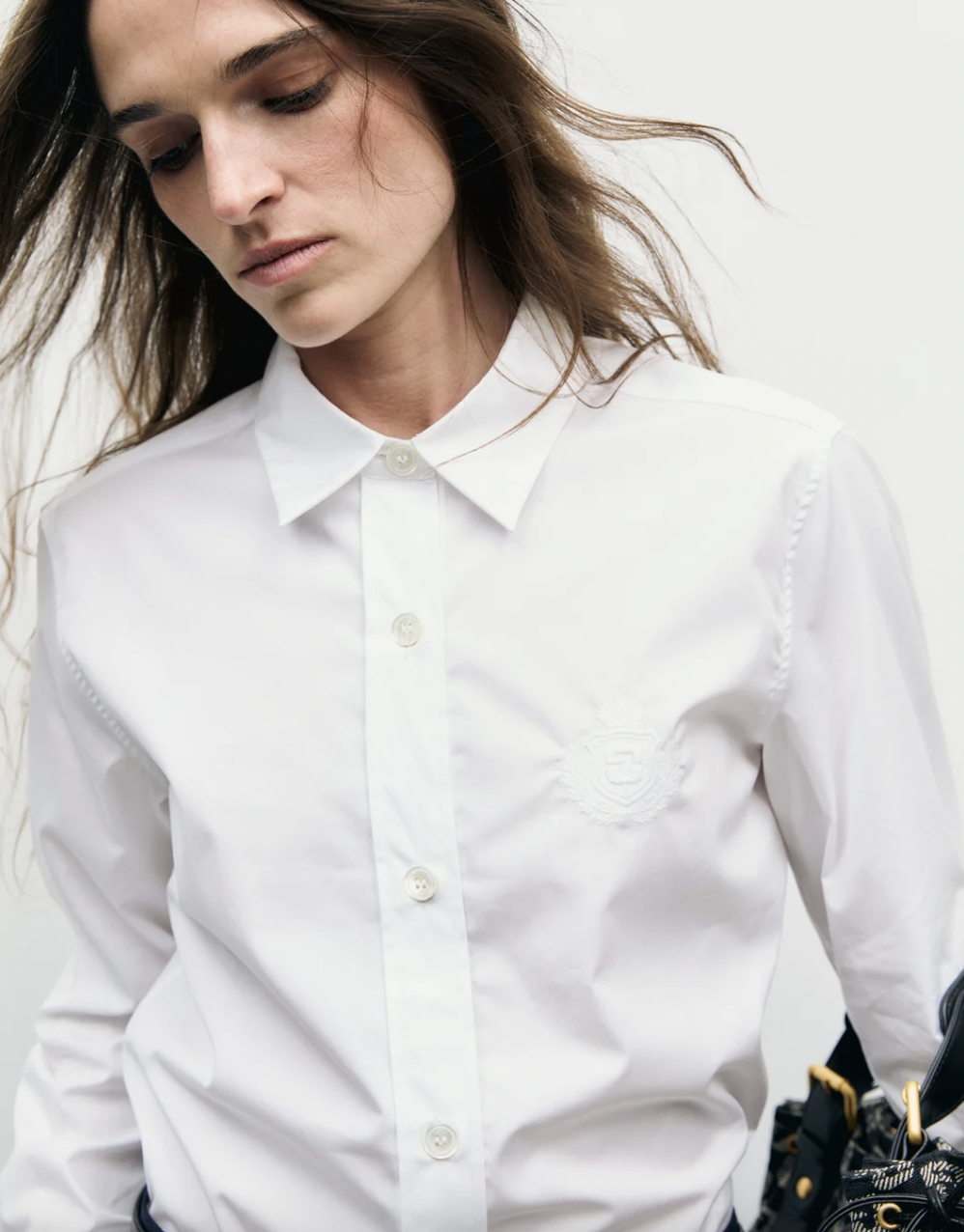
The white shirt deserves its place in a Parisian wardrobe, but it should not be the only option. A pale blue shirt, fine stripe, soft floral print or fluid silk blouse can bring much more personality to simple trousers or jeans. Details such as a delicate collar, covered buttons, subtle gathers or slightly fuller sleeves can make the difference without turning the blouse into a statement piece.
A shirt can be worn crisp under a blazer, half-tucked into jeans, left open over a T-shirt or softened with a silk scarf. This is also one of the easiest places to introduce colour or print into an otherwise restrained wardrobe.
5/ Knitwear Worth Wearing for Years
Good knitwear is indispensable, particularly from autumn through spring. A fine crew neck, V-neck sweater, cardigan or roll neck can be worn alone, under a blazer or coat, or draped loosely over the shoulders. Cashmere is especially useful because it combines warmth with very little bulk, but a dense merino wool or good-quality cotton knit can be equally elegant.
Cream, navy, grey, camel and chocolate are reliable foundations. Red, sky blue, burgundy or forest green can bring considerably more energy to familiar outfits. The most useful knits are rarely the most complicated ones. Beautiful texture, good proportions and a neckline that suits the wearer usually matter more than decorative details.
6/ Jeans That Suit the Woman Wearing Them
No single denim cut defines Parisian style. Straight-leg jeans remain easy to wear, but slim-straight, cigarette, wide-leg and relaxed shapes can all work depending on body shape and personal style. Dark indigo looks particularly polished with tailoring, loafers or a silk blouse. Mid-blue denim feels more casual and works naturally with knitwear, leather jackets and sneakers.
White or ecru denim can also be worn well beyond summer when combined with camel, navy or chocolate brown. The important point is the fit. The waistband, rise, length and shape through the leg should flatter the wearer rather than simply reproduce whatever denim silhouette happens to be fashionable that season.
7/ Tailored Trousers
A pair of beautifully cut trousers can instantly make a wardrobe feel more sophisticated. Straight, slightly wide or fluid trousers in navy, grey, camel, chocolate or black provide an alternative to denim without automatically looking formal.
They work with almost everything already mentioned: a white shirt, fine knit, blazer, trench or leather jacket. The styling keeps them modern. Wear them with minimalist sneakers and a T-shirt during the day, loafers and knitwear for work, or a silk blouse and slingbacks in the evening.
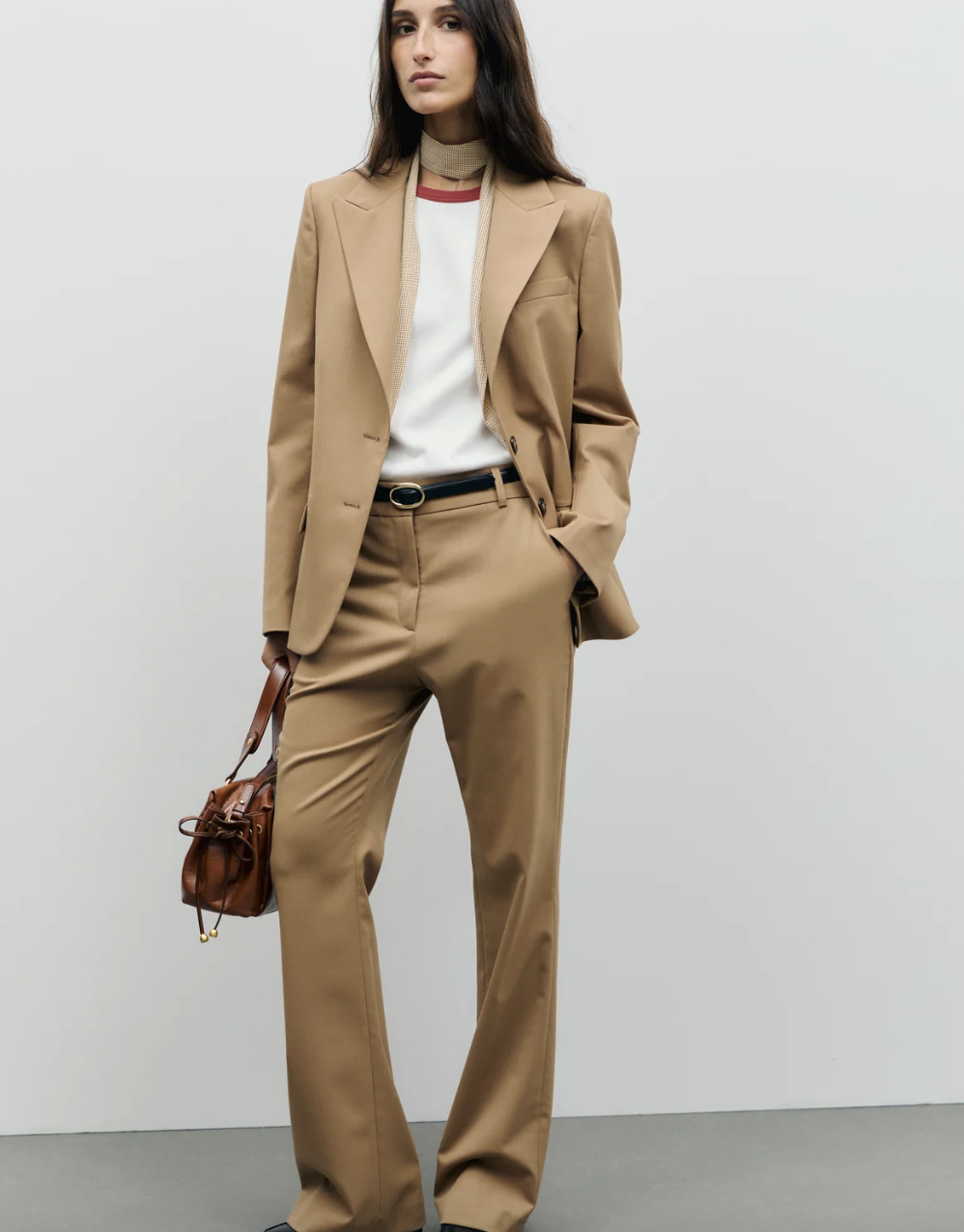
A full trouser suit can be even more versatile when the jacket and trousers also work separately.
8/ A Midi Dress With an Easy Silhouette
Although trousers and jeans dominate many everyday wardrobes, a midi dress remains useful when something more feminine is wanted without feeling overdressed. A shirt dress, fluid printed dress or simple knit dress can move easily between work, lunch and dinner. Boots and a wool coat make it practical in winter; loafers, ballet flats or slingbacks change the mood when the weather is milder.
The strongest versions tend to have movement rather than excessive decoration. A flattering waist, good fabric and an easy length usually matter more than elaborate details.
9/ A Leather Jacket
A leather jacket brings exactly the kind of contrast that prevents classic clothes from becoming too polished. A slightly oversized black or chocolate jacket can be worn with tailored trousers, a silk blouse, denim or even a more feminine dress.
It also works particularly well over fine knitwear and under a larger coat when temperatures drop. Vintage leather can be especially appealing here. A jacket that has softened and developed character over time often looks more interesting than something perfectly pristine.
10/ One Piece That Breaks the Rules
A wardrobe composed entirely of sensible classics can quickly become predictable. The final piece should therefore be something personal: a velvet blazer, a leopard-print coat, a colourful blouse, an embroidered jacket, an unusual knit or a vintage find that does not necessarily match everything else.
This is often the piece that gives a wardrobe its identity.
The Parisian Colour Palette: Beyond Black and Beige
Parisian style is often reduced to black, white and beige, but the reality is much more interesting. Navy, cream, camel, chocolate brown, soft grey, white, black and denim provide an easy foundation, while colour brings personality and keeps these classics looking current.
Navy deserves particular attention. Softer than black near the face, it works beautifully with white, cream, camel, grey and denim, but also with much stronger shades. It is one of those colours that can anchor an entire wardrobe without making it feel dark or severe.
Burgundy pairs naturally with navy, camel and grey. Sky blue looks fresh against darker tailoring, while forest green works particularly well with cream, denim and chocolate brown. And then there is red: a red sweater, handbag or pair of shoes can completely transform a simple combination of jeans, white shirt and navy blazer.
Pink, butter yellow, powder blue and brighter greens also have their place. The easiest way to introduce them is often through one piece — knitwear, a blouse, handbag, silk scarf or shoes — while keeping the rest of the outfit familiar.
Prints should not be forgotten either. Leopard, polka dots, florals and stripes can all coexist with a classic Parisian wardrobe when they are treated as accents rather than a compulsory part of some imaginary French uniform.
A simple test before buying a new colour is to picture it with at least three pieces you already own. If several combinations immediately come to mind, there is a good chance it will become part of your wardrobe rather than an isolated purchase.
How to Make Parisian Style Look Modern
The difference between a classic wardrobe and a modern one often comes down to styling and proportions. Familiar pieces can look completely different when one element changes.
A longer blazer over a simple T-shirt, a fine knit draped over the shoulders or a silk blouse tucked into contemporary denim can update clothes that have been in a wardrobe for years. The same applies to proportions: a shorter jacket with high-waisted trousers, a generous coat over a streamlined silhouette or an oversized shirt with more structured trousers can make an outfit feel immediately more current.
Contrast also plays an important role. Mixing polished and casual pieces prevents an outfit from looking too considered: tailoring with relaxed shoes, a feminine blouse with denim, or an elegant coat with a softer, less structured handbag.
Texture can create the same effect. Denim against silk, cashmere with leather, velvet with a crisp cotton shirt or a chunky knit worn with tailored trousers adds depth without requiring more colour or decoration.
And sometimes one small detail is enough. Rolling a sleeve, showing a little ankle, changing a belt or leaving a shirt slightly undone can alter the proportions of an outfit more effectively than buying something new.
Modern Parisian style evolves through these small adjustments rather than a complete wardrobe reset. The clothes may be familiar; the way they are worn keeps changing.
The Accessories That Define Modern Parisian Style
Accessories can completely change a simple outfit, and this is where personal style often becomes most visible. A blazer, white shirt and jeans provide a familiar starting point; the choice of bag, shoes, jewellery or scarf determines whether the result feels polished, relaxed, feminine or slightly unconventional.
The handbag naturally plays an important role. A structured leather bag sharpens a silhouette, while a softer slouchy bag brings a more relaxed attitude. Rather than matching bag and shoes systematically, combining different but complementary shades, navy with cognac, chocolate with cream, burgundy with grey, often looks more contemporary.
A silk scarf remains one of the easiest accessories to reinterpret. Worn around the neck, tied loosely over a shirt, wrapped around a handbag handle or even worn as a belt, it introduces colour and print without dominating the outfit.
Jewellery tends to work best when it feels personal. A pearl necklace over a white T-shirt, fine gold or silver jewellery, a vintage piece or a brooch pinned unexpectedly to a blazer, coat or knit can become part of a signature look.
There is room for more playful details too: colourful socks with loafers, a tie borrowed from menswear, leather gloves in winter or oversized sunglasses in the spirit of French eyewear designer Emmanuelle Khanh.
The strongest accessory choices rarely involve wearing everything at once. One distinctive bag, scarf, piece of jewellery or pair of glasses can be enough to give a simple outfit character.
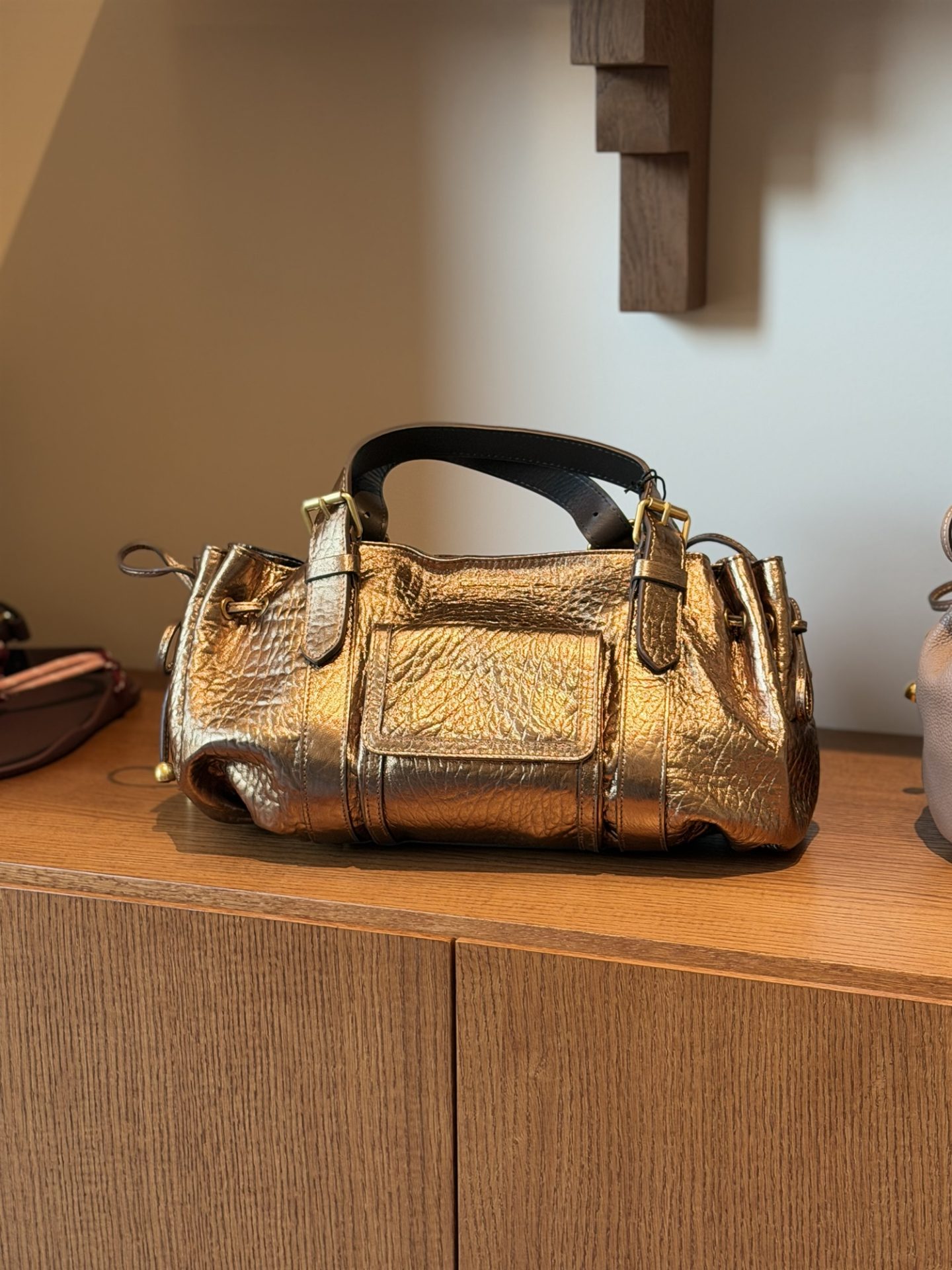
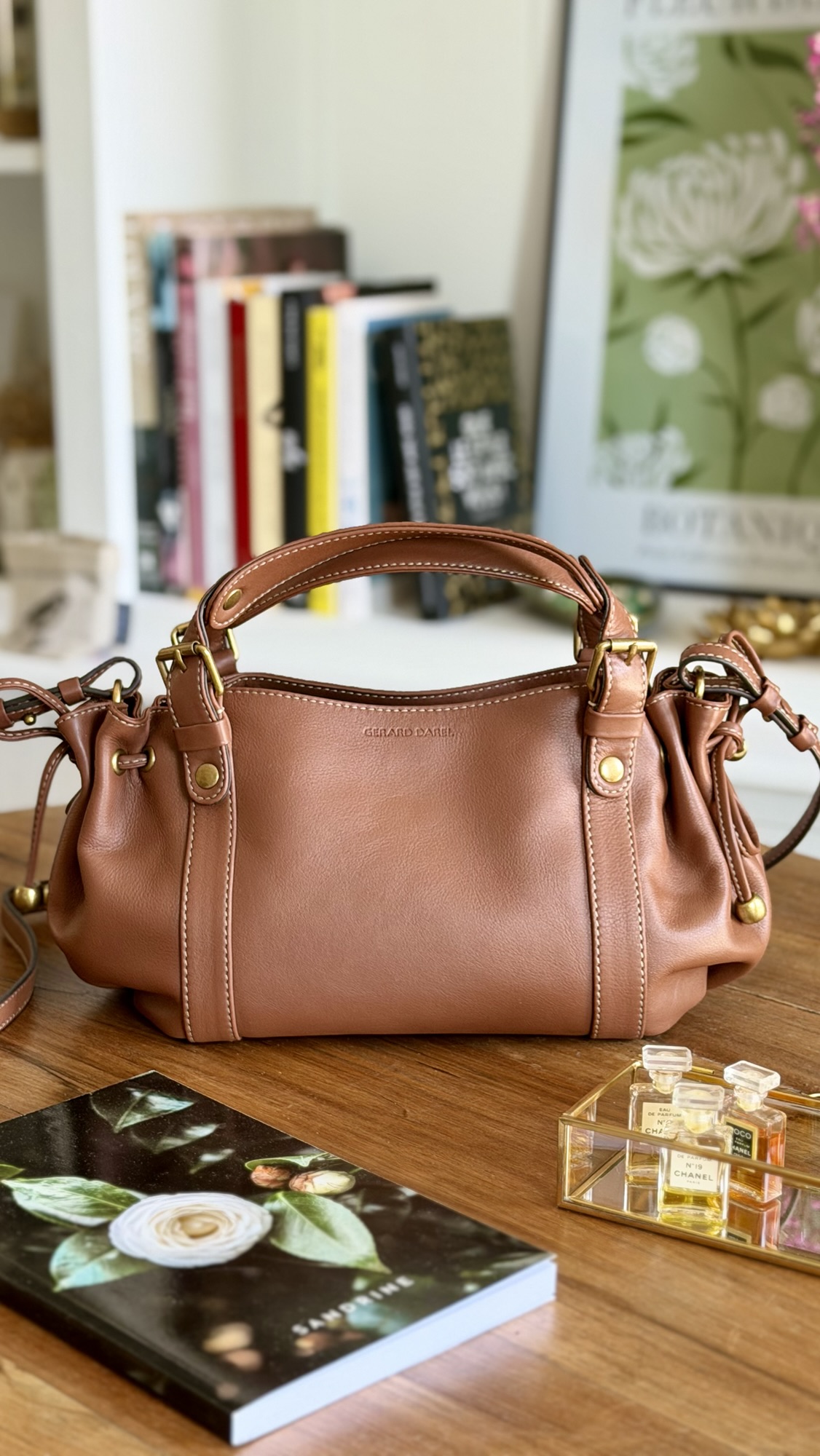
Slouchy Handbag By GÉRARD DAREL
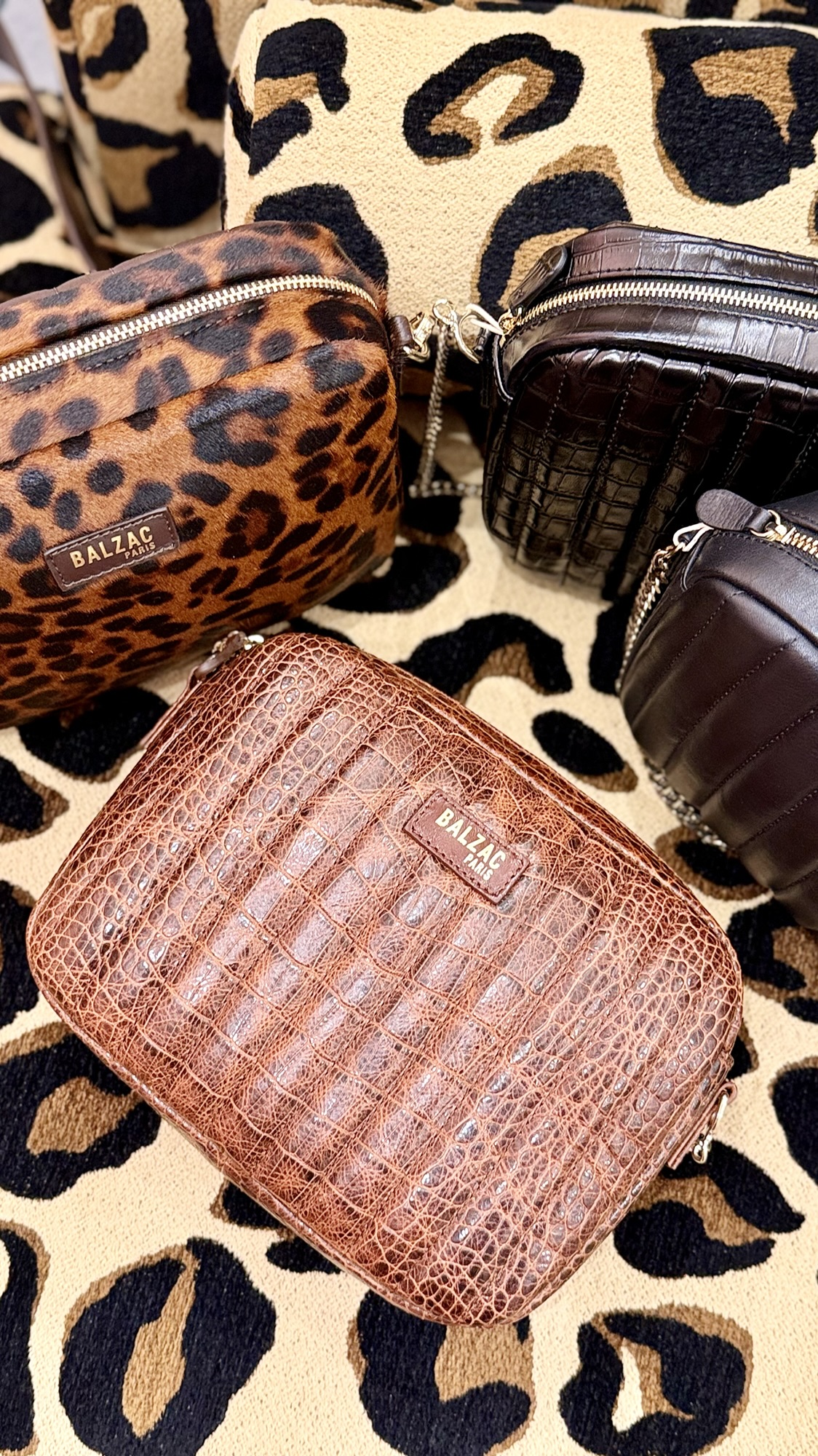
Cognac Handbag by BALZAC PARIS
The Shoes Parisian Women Actually Wear
Shoes can change the entire balance of an outfit, and Parisian style is far more varied than the usual image of ballet flats and white sneakers.
Loafers remain one of the most useful options. They work with straight-leg jeans, tailored trousers, a midi skirt or even a trouser suit, adding structure without making the outfit feel too formal. Black is the obvious classic, but burgundy, chocolate, cognac or metallic finishes can be just as easy to wear.
Ballet flats and Mary Janes have returned strongly in recent seasons, but the modern versions feel less delicate than the traditional stereotype. Square toes, slim straps, patent leather or deeper colours make them easier to style with denim, cropped trousers or a fluid skirt.
For something slightly more refined, slingbacks are particularly versatile. They bring elegance to tailored trousers, dresses or jeans without the formality of a classic pump. A low or kitten heel also makes them much easier to wear throughout the day.
Sneakers still have an important place. Minimal leather styles keep tailoring clean and understated, while Converse or retro-inspired trainers add a more relaxed, slightly vintage attitude. They work especially well when the rest of the outfit is structured: a blazer, trench or wool coat immediately balances their casual feel.
In autumn and winter, ankle boots become essential. A sleek leather pair with a small heel works with jeans, dresses and tailored trousers, while chunkier boots can add contrast to more feminine pieces.
Riding boots are another strong option, especially with slim or straight trousers, a midi skirt or a long wool coat. Their clean shape gives a polished silhouette without looking overly dressed.
Heeled suede boots bring a softer, more feminine alternative to classic leather boots. Knee-high styles in chocolate brown, camel, taupe or black work beautifully with a midi dress or skirt and look particularly elegant under a long wool coat. A moderate block heel keeps them practical enough for everyday wear while adding height and giving the silhouette a more polished finish.
And then there are the less predictable choices: metallic loafers, red shoes, leopard-print flats or a burgundy boot can completely change a wardrobe built around navy, denim, cream or camel.
The most useful Parisian shoe wardrobe is not necessarily large. A few well-chosen pairs that cover different moods, polished, casual, feminine and practical, are usually enough to support almost every outfit.
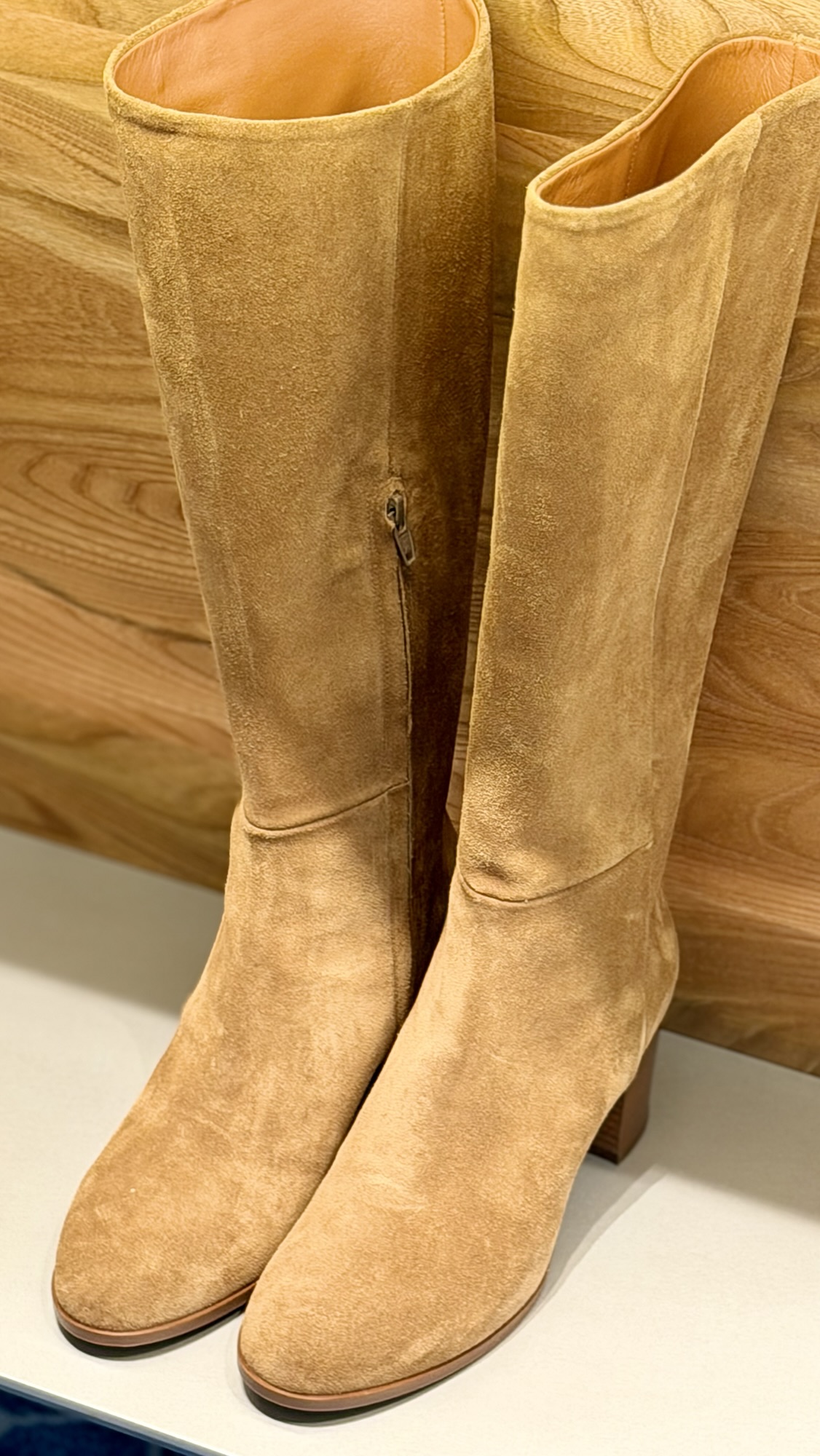
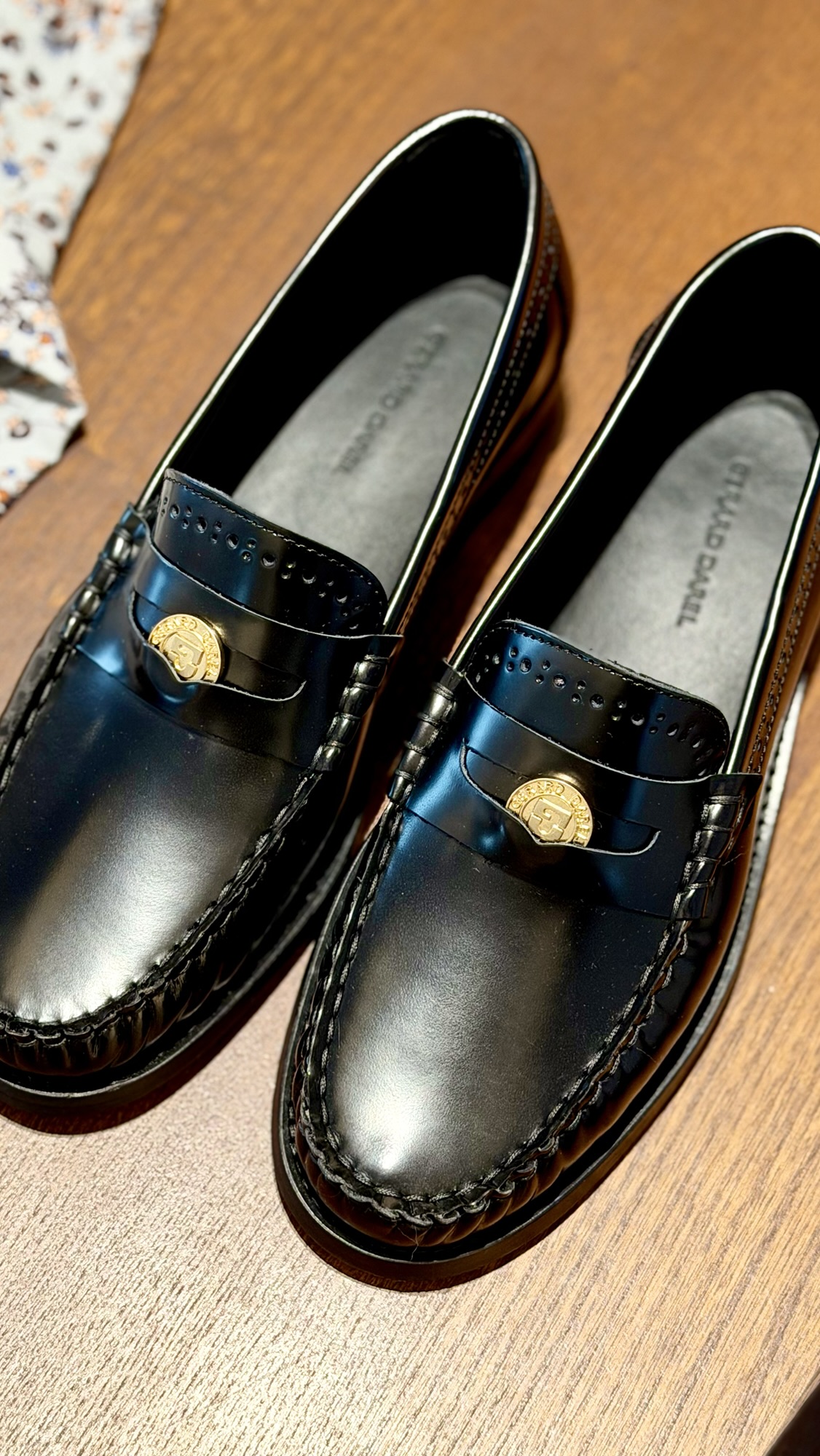
Heeled suede boots and Loafers By GÉRARD DAREL
Gérard Darel : A Modern Expression of Parisian Style
If someone asked me to recommend just one French brand to understand modern Parisian style, my answer would be Gérard Darel. You may already be familiar with some of its celebrated muses, from Charlotte Gainsbourg to American model and actress Dree Hemingway, whose effortless elegance perfectly reflects the spirit of the house today.
Founded in 1971, the Parisian house has built a recognisable identity without relying on oversized logos or short-lived trends. Its reputation rests on refined knitwear, beautifully cut jackets, timeless outerwear and exceptional leather handbags designed to become lasting companions rather than seasonal purchases.
Handbags hold a particularly important place in the Gérard Darel universe. Iconic designs such as the 24H, 18H or 12H are recognised for their supple leather and relaxed elegance. They embody the kind of discreet luxury many French women appreciate: beautiful craftsmanship, practical shapes and a distinctive identity that does not need a prominent logo.
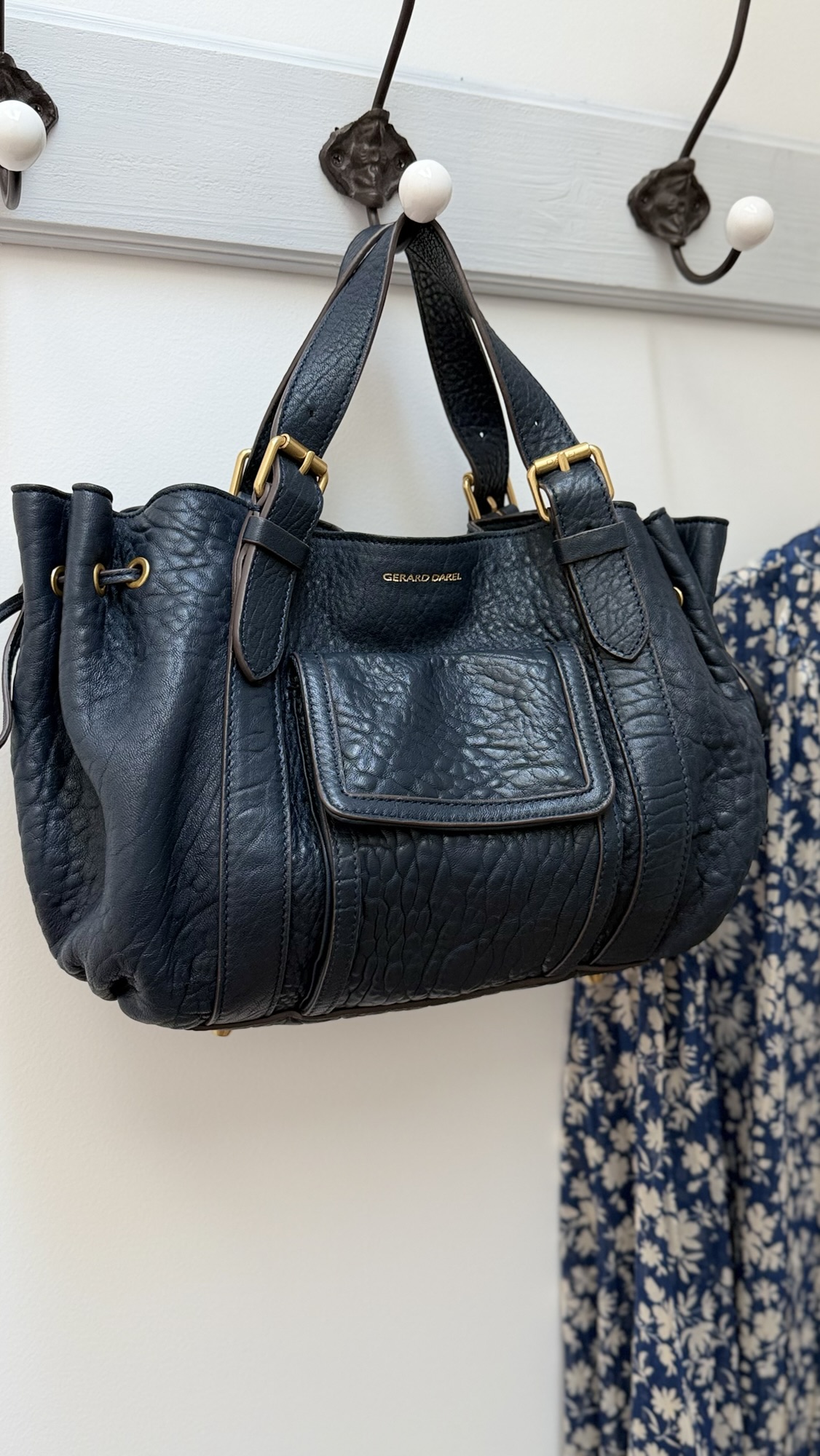
The house’s collections remain true to this philosophy while offering a contemporary interpretation of the modern French wardrobe. Soft knits, enveloping textures and fluid layering bring comfort to everyday dressing, while structured jackets and coats give the silhouette definition without making it feel rigid. Supple leather, deep shades and subtle evening details add character and femininity without ever becoming excessive.
What I appreciate most about Gérard Darel is that the clothes can be incorporated into an existing wardrobe rather than requiring a completely new look. These are the kind of pieces I would choose to build a modern Parisian wardrobe today.
The Gérard Darel Pieces I Would Choose for a Parisian Wardrobe
If I were building a Parisian wardrobe from the current Gérard Darel collection, these are the pieces I would start with. Each one is easy to combine with the wardrobe staples featured throughout this guide and can be styled in several different ways.
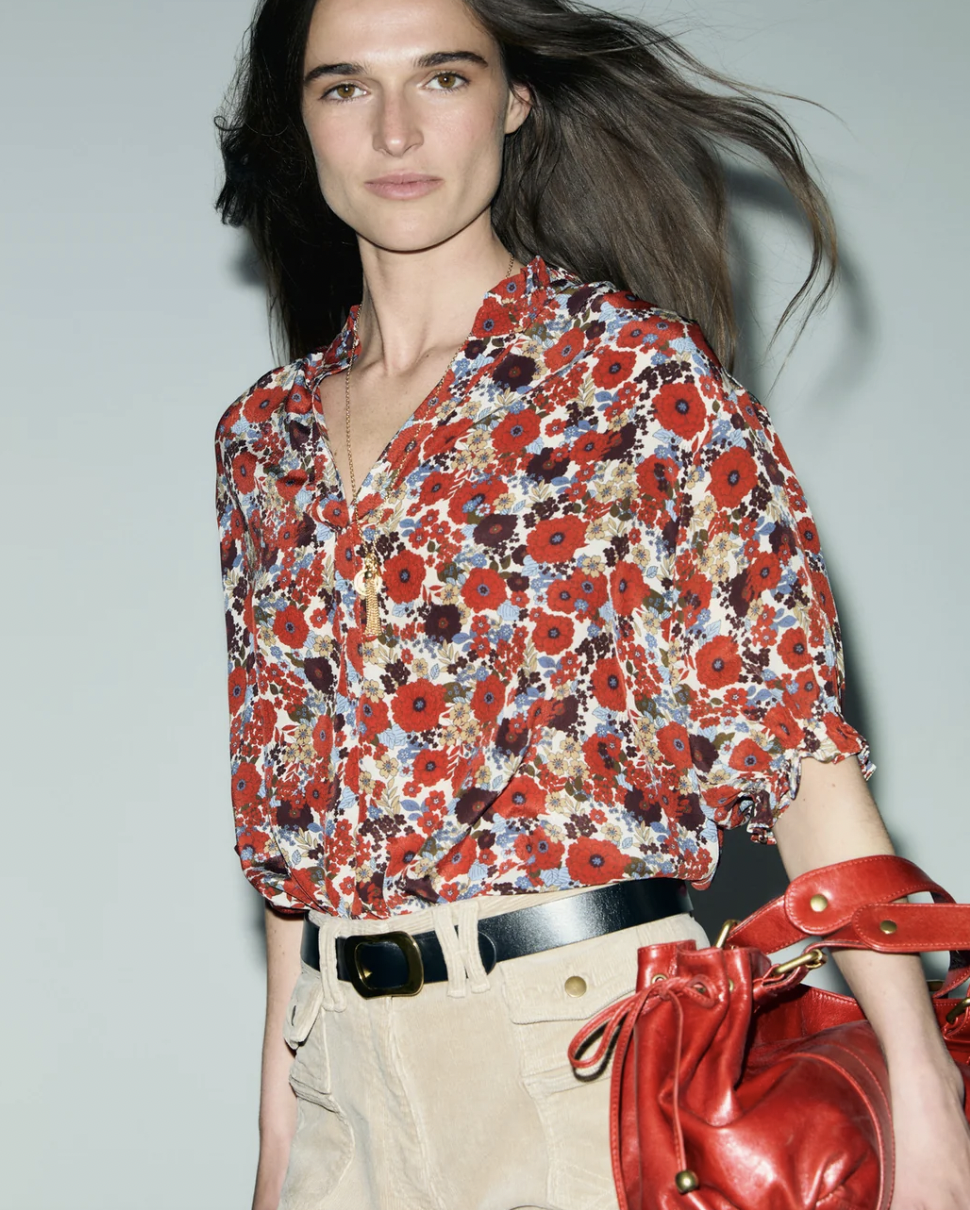
– Floral blouse by Gérard Darel
– Straight-leg dark-wash jeans by Gérard Darel
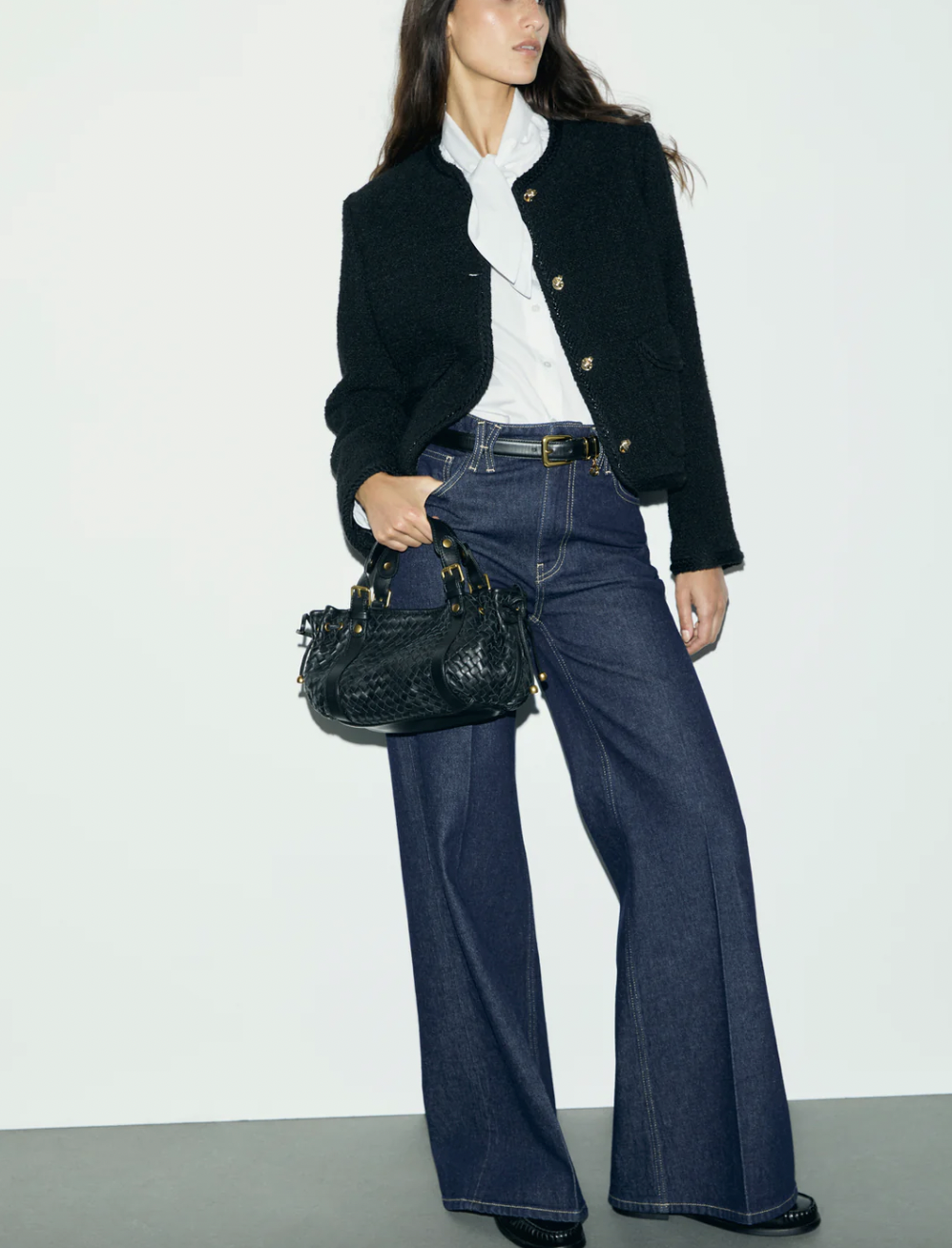
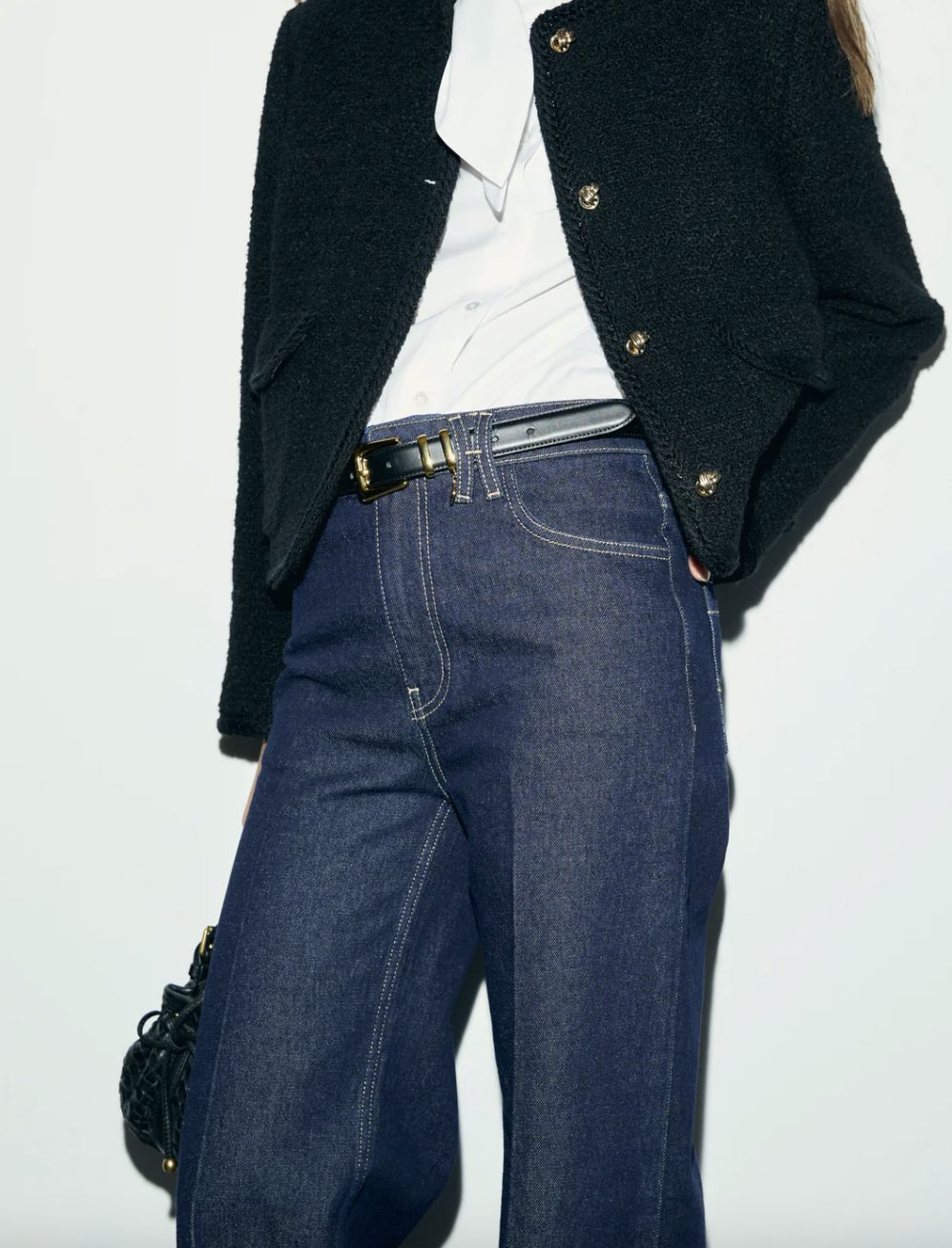
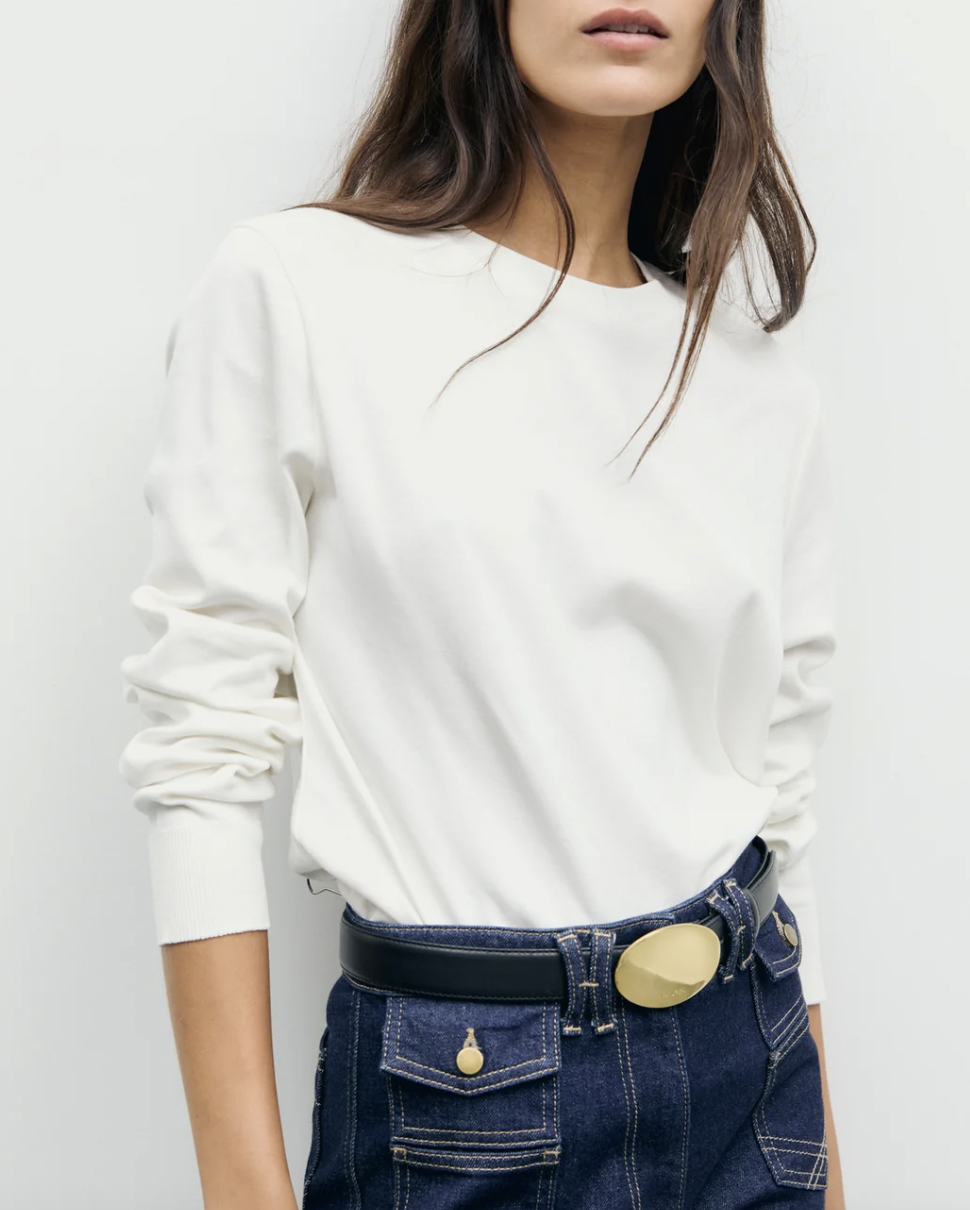
– Classic white tee-shirt by Gérard Darel
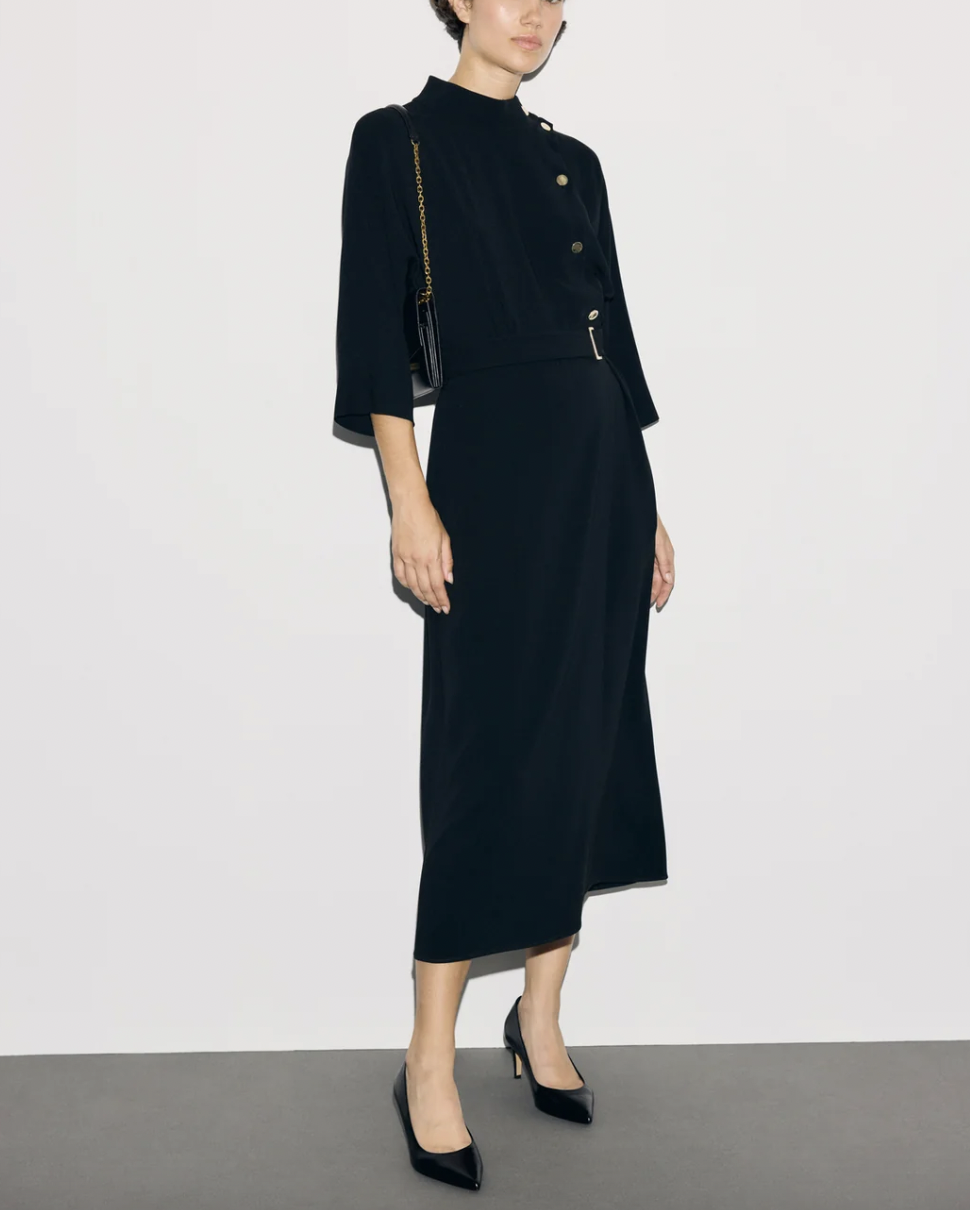
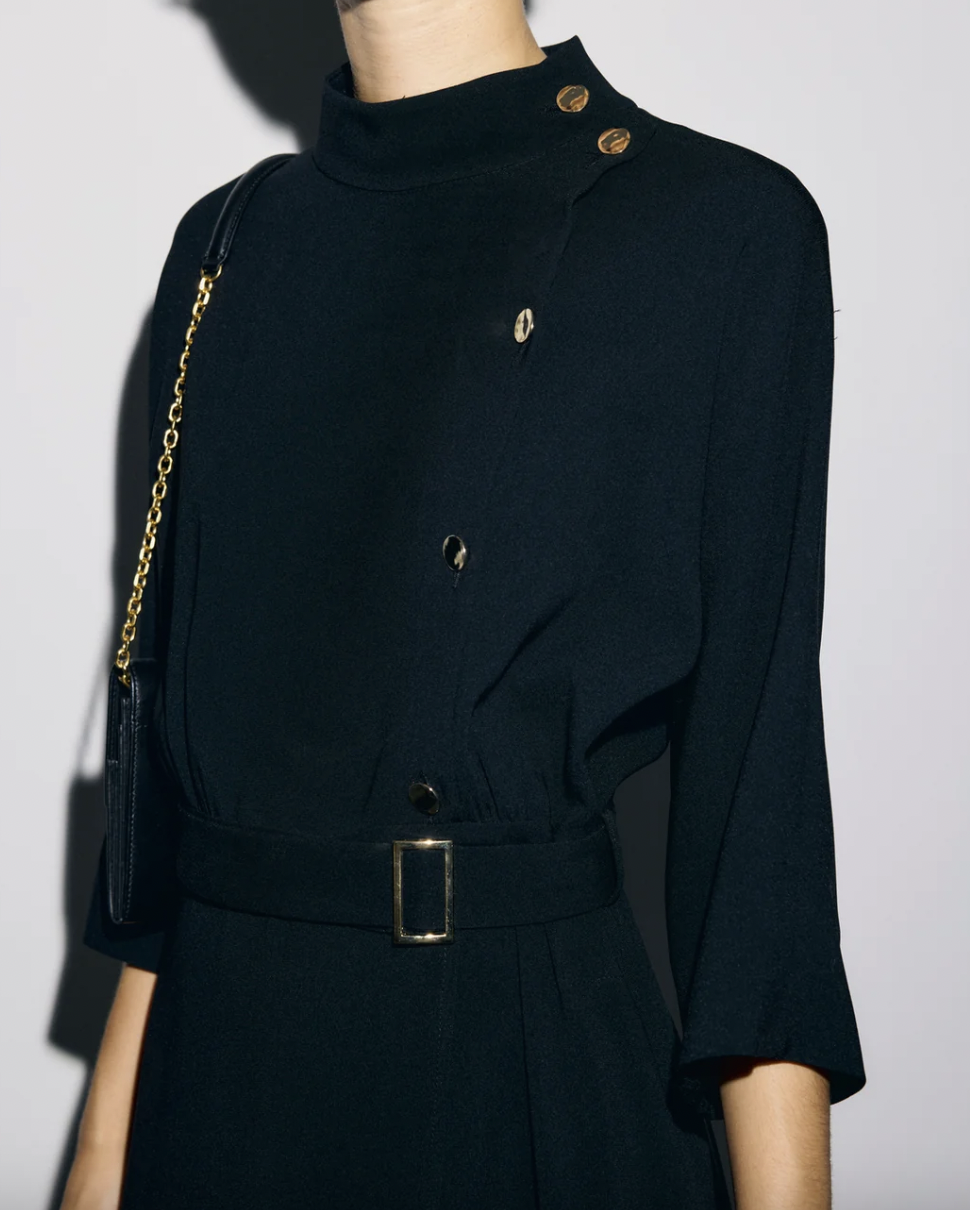
– Black midi dress by Gérard Darel
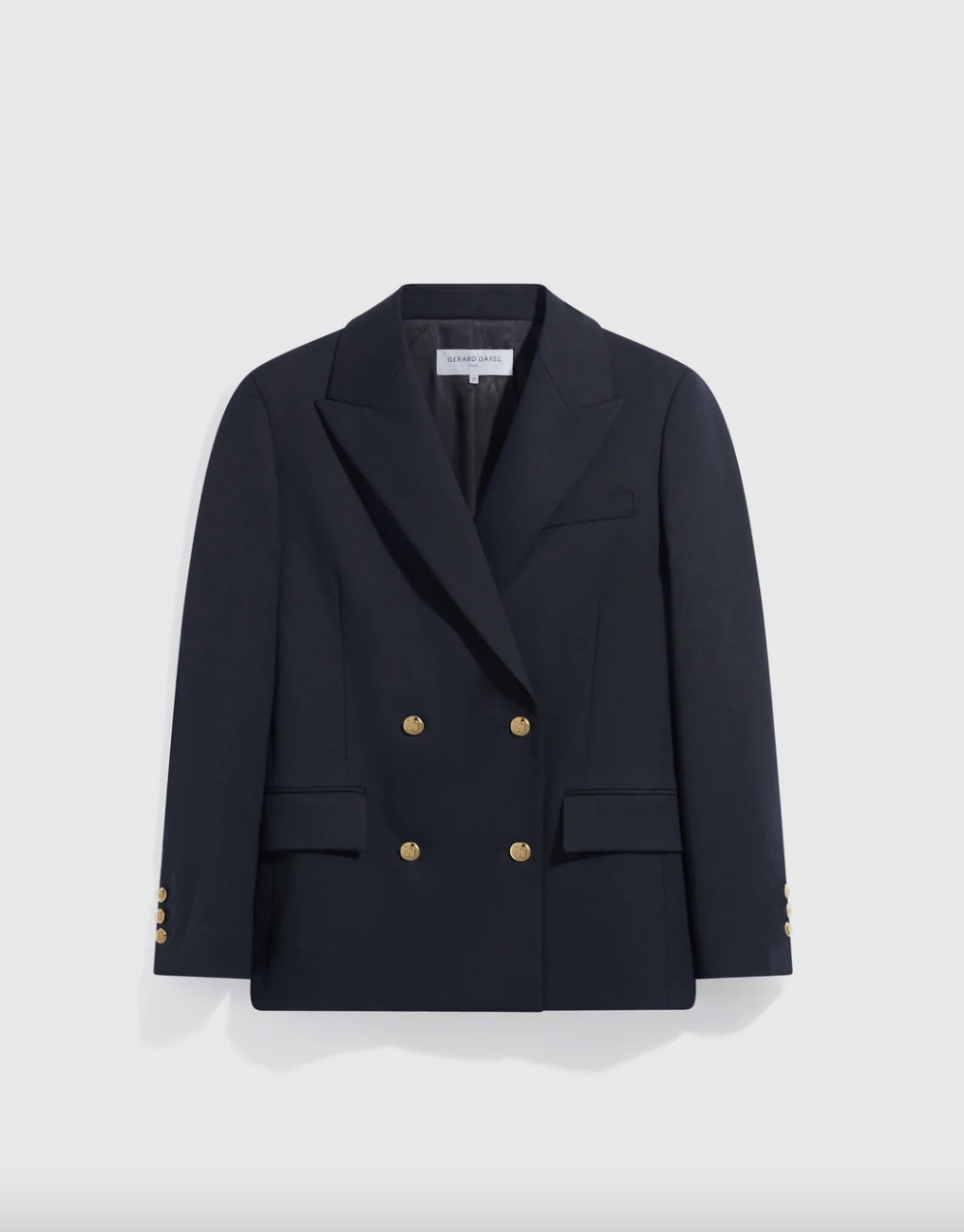
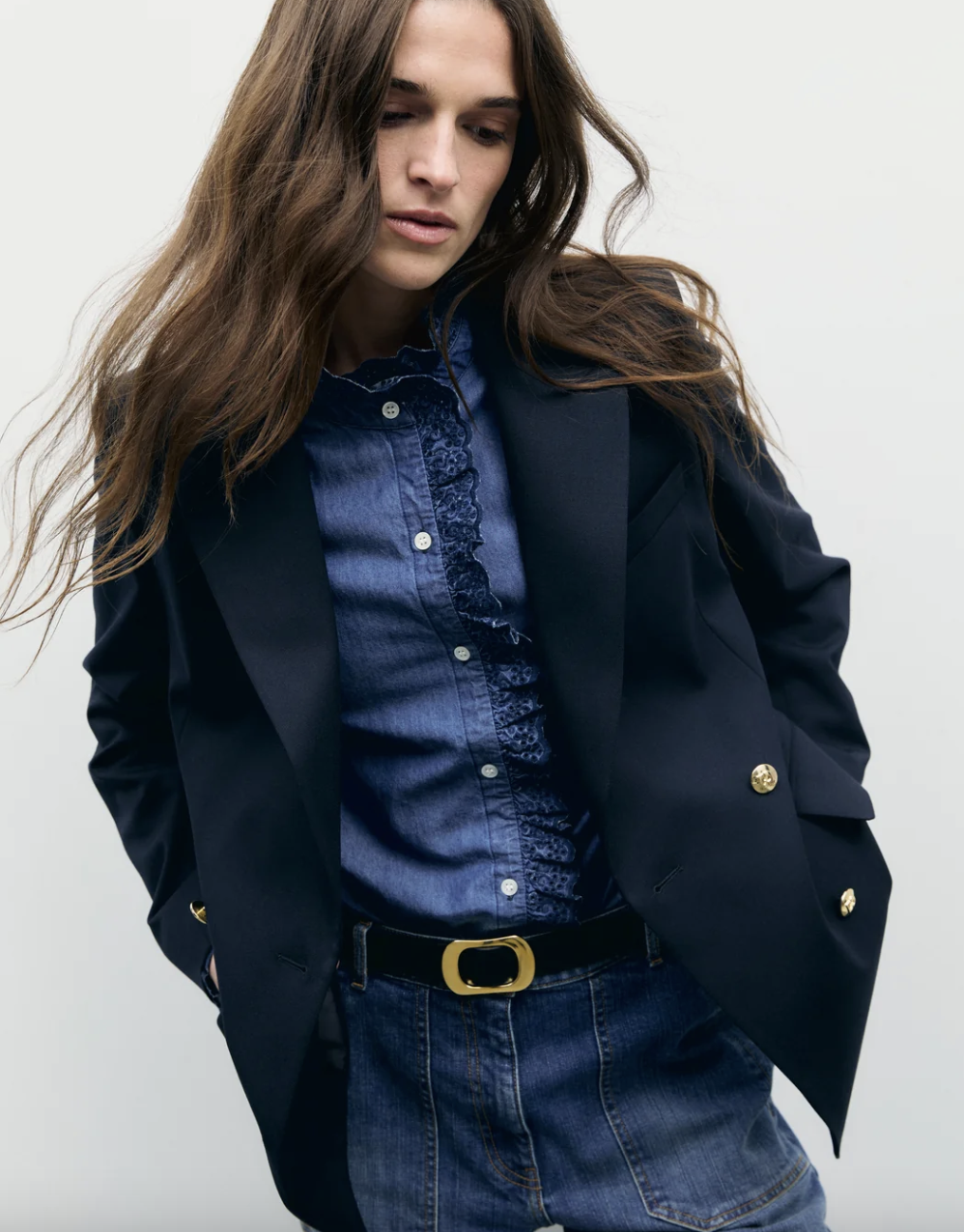
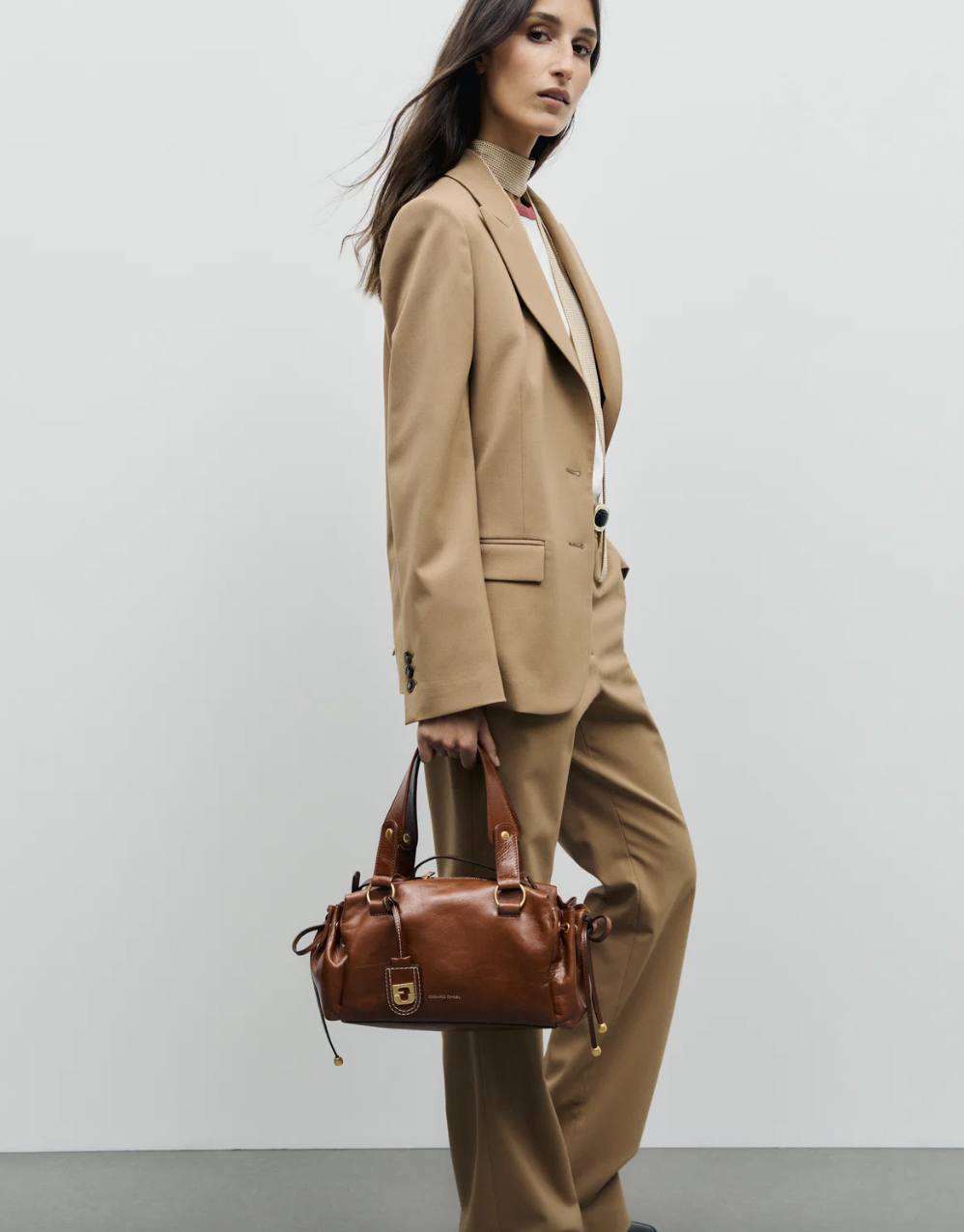
– Matching blazer and trousers by Gérard Darel
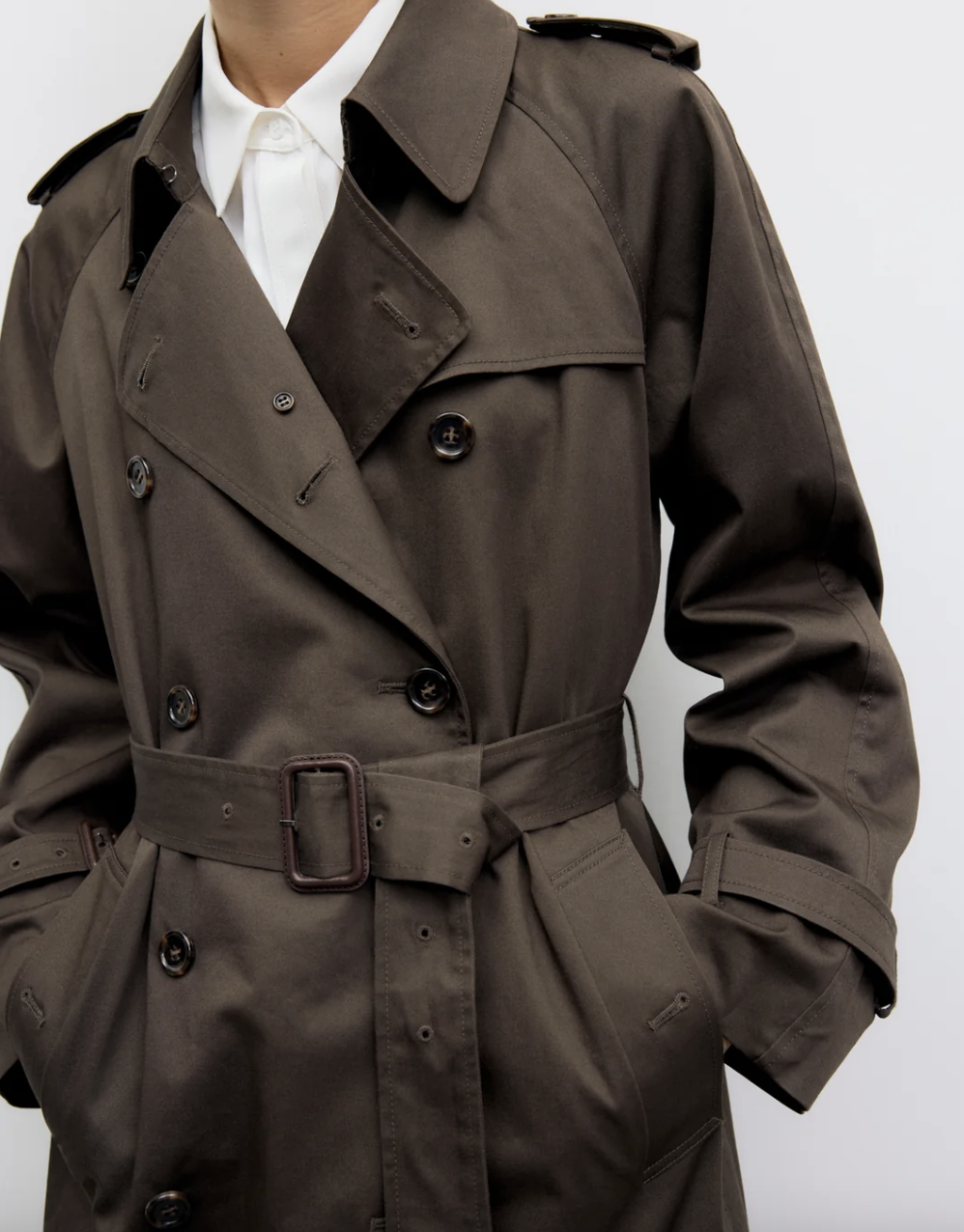
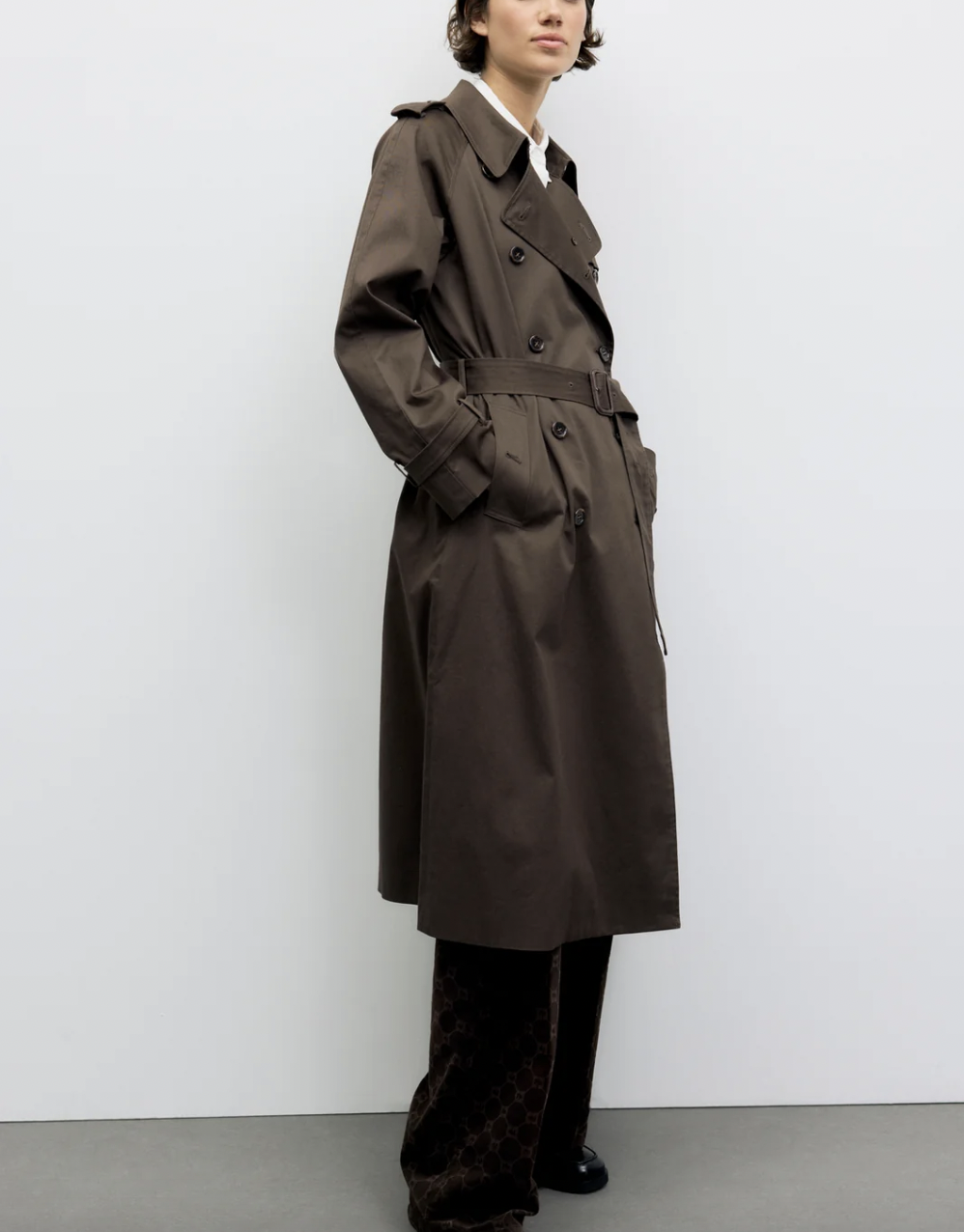
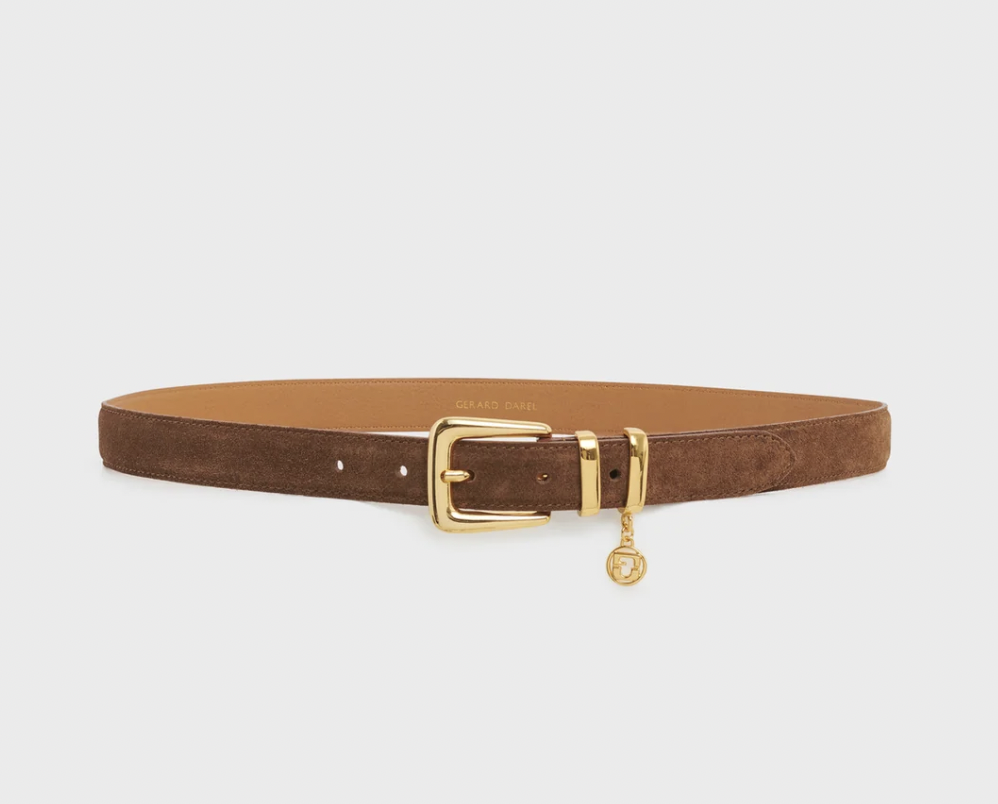
– Brown suede belt by Gérard Darel
– Black Handbag by Gérard Darel
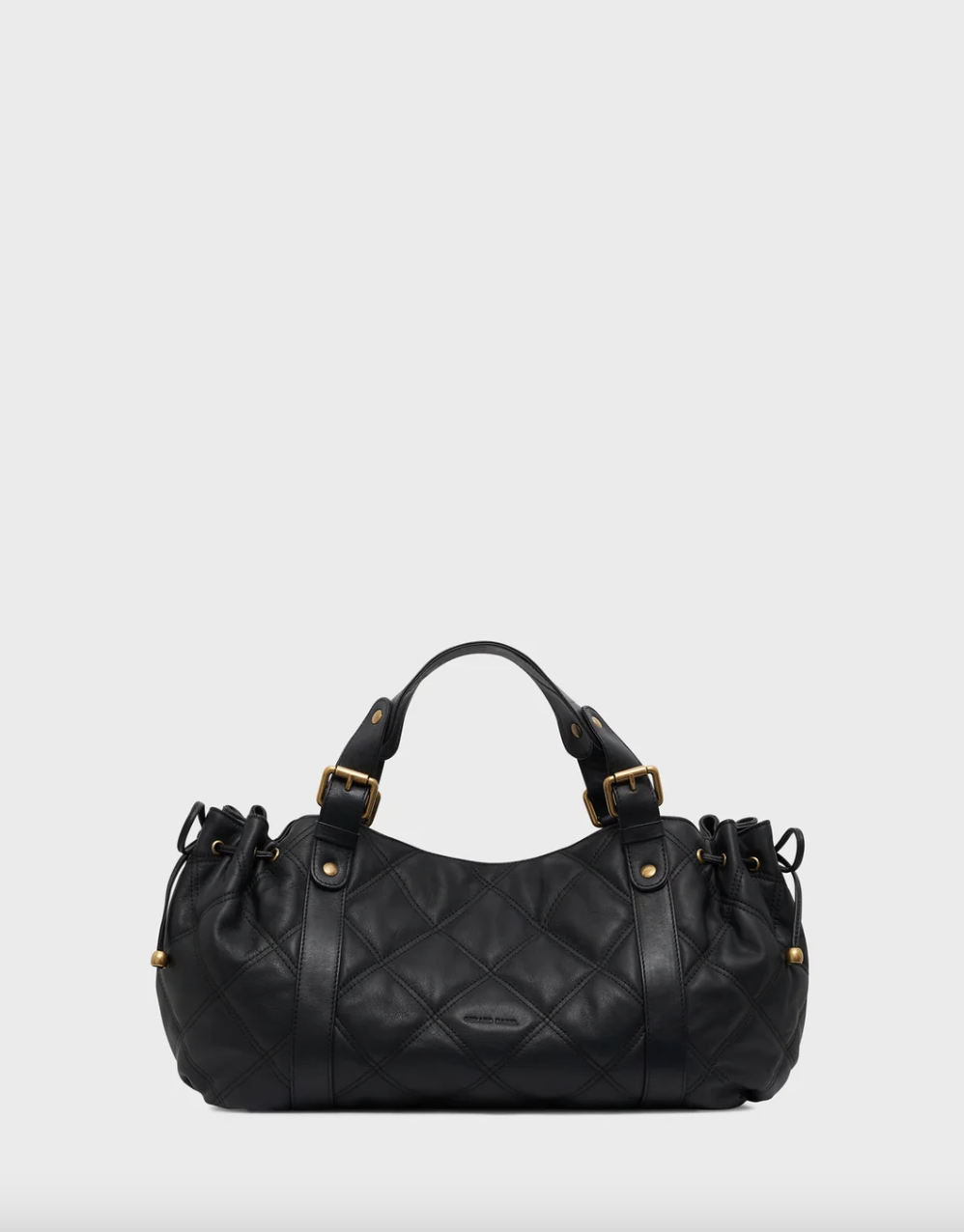
Final Thoughts
Parisian style is, above all, an allure, a distinctly French idea that goes far beyond clothes. It comes from the balance between timelessness and modernity, elegance and ease, harmony and character.
Its strength lies in the silhouette as a whole. A classic piece may be refreshed by a contemporary proportion, softened by more relaxed styling or made more personal through an unexpected accessory. The result is polished, but never rigid; distinctive, but never overdone.
There is also no single way to interpret Parisian style. One woman may prefer precise tailoring, another vintage pieces, bold eyewear, inherited jewellery or a beautifully worn leather handbag. What matters is the coherence of the look and the way it reflects the woman’s personality.
That is perhaps why Parisian style still feels so relevant. It preserves what is worth keeping, adapts naturally to the present and leaves enough room for individuality. More than a dress code, it is a way of creating a silhouette that feels elegant, modern and entirely personal.
NB : Links in this article are affiliate links. If you click and make a purchase, I may receive a small commission at no extra cost to you. It’s a lovely way to support my blog and my work. Thank you so much.
Frequently Asked Questions About Parisian Style
What are some easy Parisian outfit formulas?
You don’t need a complicated wardrobe to create a polished Parisian look. A few combinations are particularly easy to recreate:
Straight-leg jeans + white shirt + navy blazer + loafers + cognac leather bag for everyday.
Trouser suit + fine knit + minimalist sneakers + slouchy bag for relaxed tailoring.
Fluid midi dress + tailored blazer + slingbacks + small leather bag for a more feminine look.
Dark denim + cashmere sweater + long wool coat + ankle boots for autumn and winter.
Wide-leg jeans + fine knit + leather jacket + Converse for the weekend.
Navy trousers + sky-blue shirt + burgundy or red knit + loafers for an easy way to introduce colour.
These are starting points rather than rules. A silk scarf, statement handbag, vintage brooch or unexpected pair of shoes can make the same combination feel completely different.
Can sneakers be part of Parisian style?
Absolutely. Sneakers are part of everyday life in Paris, particularly when there is plenty of walking involved. The interesting part is often the contrast they create with more polished clothes.
Minimal leather sneakers can soften a trouser suit or tailored coat, while Converse and retro-inspired trainers work particularly well with jeans, a blazer or a trench. They make classic pieces feel more relaxed without making the whole outfit look overly casual.
How do you avoid looking like a Parisian cliché?
Forget the idea that you need a Breton top, beret, ballet flats and red lipstick all at once. Wearing several stereotypically French pieces together can quickly make an outfit feel more like a costume than personal style.
Choose the pieces you genuinely like and mix them with clothes that already belong in your wardrobe. A trench with contemporary denim, a silk scarf with a simple knit or loafers with relaxed trousers will usually look far more natural.
Most importantly, leave room for something unexpected. Colour, vintage jewellery, an unusual handbag, a brooch or even a different proportion can make classic clothes feel personal rather than prescribed.
Do you need to buy French brands to dress in Parisian style?
No. French brands can provide inspiration, and houses such as Gérard Darel offer a particularly good example of the aesthetic explored in this guide, but Parisian style does not depend on the label inside your clothes.
A beautifully cut blazer from a mid-range or affordable brand can look more elegant than an expensive designer piece that fits badly. Vintage and second-hand clothes can work just as well.
Fit, fabric, proportions and the way pieces are combined matter far more than nationality. The best place to start may simply be your own wardrobe: you probably already own several of the pieces needed to create the looks in this guide.
Can Parisian style work at any age?
Yes. One of its strengths is precisely that it does not depend on dressing for a particular age group. A blazer, beautiful knit, well-cut trousers, jeans, loafers or a leather handbag can evolve with the woman wearing them.
What may change over time are the proportions, colours, shoes and combinations you prefer, not the need to abandon certain clothes because of a birthday. Personal style becomes more convincing when it reflects the woman wearing it rather than a list of age-related fashion rules.
For a more personal look at how I approach French style after 50, I have also shared the pieces and combinations I actually wear.